
| Basic Research | https://doi.org/10.21041/ra.v15i1.722 |
Carbonation deep evaluation of a concrete structure subjected to fire soot
Evaluación del frente de carbonatación de una estructura de hormigón sometida a hollín de fuego
Avaliação da alteração da frente de carbonatação de estrutura de concreto submetida a fuligem de incêndio
1 Programa de Mestrado Profissional em Habitação: Planejamento e Tecnologia, Instituto de Pesquisas Tecnológicas do Estado de São Paulo - IPT, São Paulo, Brasil.
2 Escola Politécnica, Universidade de São Paulo - USP, São Paulo, Brasil.
*Contact author: allan_cava@hotmail.com
Received: 09/01/2024
Revised: 04/12/2024
Accepted: 23/12/2024
Published: 01/01/2025
| Cite as: Valerio, A., Helene, P. (2025), "Carbonation deep evaluation of a concrete structure subjected to fire soot.", Revista ALCONPAT, 15 (1), pp. 19 - 34, DOI: https://doi.org/10.21041/ra.v15i1.722 |
Abstract
The objective of this study was to verify the influence of moderate heat (< 200ºC) and soot from fires on the alteration of carbonation of concrete. Although this fact occurs naturally in all small and large fires, these authors did not find bibliographic references on the subject. An experiment of exposing concrete specimens to moderate temperatures was then performed, followed by soot impregnation for twelve months, with the measurement of carbonation depth every three months. The study was carried out in a laboratory environment and compared the depth of carbonation observed in specimens subjected to moderate temperatures and soot with specimens under laboratory environmental conditions. Despite the natural limitations of an experiment with a reduced time frame and laboratory environment, it was evidenced that even in intact concretes, the moderate temperatures combined with the acidity of the soot accelerate the carbonation depths and can significantly alter the residual service life of the structure if subsequent corrective intervention measures do not consider this risk.
Keywords: carbonation; reinforced concrete; fire; soot; smoke.
1. INTRODUCTION
Fires, unfortunately, are very common both in Brazil and worldwide, despite the existence of various standards and technical guidelines aimed at preventing such occurrences, developed by institutions like the Brazilian Association of Technical Standards (ABNT) and the Fire Department, among others. According to the Sprinkler Brazil Institute (2023), there were 2,041 reported fire incidents in buildings across the country in 2022, a number slightly lower but comparable to the 2,301 incidents recorded in 2021.
Repairs to buildings damaged by fire typically carry significant financial implications. In most cases, funding is obtained from insurance companies or lenders, a process that often takes considerable time. Additionally, the planning of the repair process, including project design, supplier quotes, and other activities, can result in a prolonged time gap—ranging from several months to years—between the fire incident and the actual repairs. During this period, buildings are often secured with locked doors and windows to prevent invasions and looting, leaving the structure in a “damaged” condition and retaining all residual materials from the fire.
When funding is secured for repairs, particularly for reinforced concrete structures, the primary focus of interventions tends to be on elements damaged by high temperatures, as there is extensive literature on the subject. For example, a study by Feng et al. (2023) demonstrates that exposure to high temperatures significantly degrades the compressive strength, dynamic elastic modulus, and carbonation resistance of concrete samples exposed to temperatures above 400ºC. For concrete affected by high temperatures, various recovery and service life restoration methods are available, ranging from structural reinforcements to experimental techniques such as cyclic water and CO₂ treatments, which can effectively improve the compressive strength of high-performance concrete damaged at temperatures above 600ºC (LIU et al., 2023).
However, elements that do not exhibit visible signs of exposure to high temperatures are usually subjected only to cleaning and coating restoration processes, as there are no bibliographical references linking temperatures below 200ºC to significant alterations in the mechanical properties of reinforced concrete.
Durability, however, must also be considered. Some studies show that concrete specimens exposed to temperatures above 200ºC and placed in a sealed carbonation chamber for 30 days exhibited advanced carbonation fronts (OLIVEIRA et al., 2019). However, this study focused on comparing the carbonation front’s progression under rapid versus slow cooling in an induced carbonation environment. No studies were found analyzing the progression of the carbonation front in concrete exposed to temperatures equal to or below 200ºC and subsequently subjected to soot-impregnated environments.
Iwama and Maekawa (2022) also conducted studies to extend the applicability of multiscale modeling for carbonation during and after high-temperature heating. However, their research focused on temperatures above 400ºC and evaluation periods of 28 days.
This study aimed to verify the influence of moderate heat (< 200ºC) and fire soot on concrete carbonation over a 12-month period. The objective was to determine whether concrete elements that would be reused in fire-damaged buildings experience a reduction in service life due to carbonation, compared to concrete that was not exposed to fire or soot.
This research is particularly relevant because, in reinforced concrete, the concrete component serves not only as a structural element but also as a protective barrier for the embedded reinforcement against corrosion agents, both physically and chemically (Helene, 1993; Ribeiro et al., 2014). The physical protection is provided by the concrete layer itself, shielding the reinforcement from various environmental variables, including fire events, depending on the thickness and quality of the material. The chemical protection is derived from the high pH of the concrete, which forms a passivating layer originating from the pore solution (Helene, 1993; Júnior et al., 2019; Oliveira, 2019).
However, phenomena that reduce the concrete’s pH can induce reinforcement corrosion by depassivation (Almeida, 2019; Ribeiro et al., 2014) or loss of the passivating layer. One of the most common processes leading to depassivation is carbonation, a physicochemical phenomenon primarily occurring between cement hydration products and atmospheric carbon dioxide (CO₂), which reduces the concrete’s alkalinity. CO₂ penetrates the concrete via diffusion (Helene, 1993).
In a fire, besides flames (light) and heat (energy), smoke is present, generated by combustion gases consisting of small solid particles from partial burning and condensed vapor suspended in the air (Rosa, 2015). According to Seito (2008), the most common toxic gases in fire smoke include carbon monoxide (CO), carbon dioxide (CO₂), hydrogen cyanide (HCN), hydrochloric gas (HCl), nitrogen oxides (NOx), hydrogen sulfide (H₂S), and oxygen (O₂).
The final product of smoke, soot, is defined as a collection of irregular carbon particle aggregates from the incomplete combustion of any fuel. Soot typically adheres to concrete structures (Souza, 2002).
Therefore, given these considerations, it is crucial to evaluate whether concrete that will be reused—despite not showing altered mechanical properties or being exposed to high-temperature fires—has an impaired carbonation index due to prolonged exposure to soot-impregnated environments while waiting for the funding, planning, and execution of repair work.
2. EXPERIMENTAL PROCEDURE
The experimental program aimed to compare concrete specimens subjected to moderate fire burning (temperatures < 200ºC) and residual soot impregnation over a 12-month period with specimens not exposed to burning or soot. The main objective was to evaluate whether structures that experienced moderate-temperature fires and were covered with soot for 12 months until repairs were made would suffer a reduction in their service life compared to parts of a structure that were unaffected by fire.
The following steps were undertaken:
♦ A total of 160 cylindrical specimens, with a diameter of 10 cm and a height of 5 cm, were cast using four different concrete mix designs, with water-to-cement ratios (w/c) of 0.65, 0.60, 0.55, and 0.45, corresponding to exposure classes I, II, III, and IV, as per ABNT NBR 12655:2015. These mix designs followed the recommendations for different levels of aggressiveness.
The cement used was CP II-F (per ABNT NBR 16697), comprising 76% clinker, 5% calcium sulfate, 10% pozzolanic material, and 9% carbonate material, as it represents the most commonly used type in Brazil;
♦ Out of 40 specimens cast for each mix, 20 were exposed to controlled burning at a maximum temperature of 200ºC for 90 minutes. The burning simulated materials commonly found in residential buildings.
The remaining 20 specimens for each mix design were preserved without exposure to fire or soot;
♦ At T0 (immediately after burning), carbonation depth was measured on 4 soot-impregnated specimens and 4 non-impregnated specimens for each mix design. This involved sectioning the specimens and applying a phenolphthalein solution to measure the carbonation depth.
The environmental conditions during soot exposure (T0) were a temperature of 21°C, 82% relative humidity, and no precipitation;
♦ The 16 remaining soot-impregnated specimens were stored in sealed containers, isolated from the external environment. The intent was to preserve the aggressive conditions of the post-fire environment, including smoke and combustion byproducts.
The remaining non-soot specimens were stored under standard laboratory conditions;
♦ After 91, 182, 273, and 364 days from the initial exposure (T0), all specimens (both soot-impregnated and non-impregnated) were tested for carbonation depth by sectioning and spraying with a phenolphthalein solution;
♦ The phenolphthalein solution was prepared with 1g of phenolphthalein dissolved in 50mL of ethanol, allowing for clear identification of carbonated regions (pH < 8.3) and non-carbonated regions (pH > 9.5) (Andrade, 1992);
♦ Comparative and evolutionary graphs were created to analyze the carbonation progression in soot-impregnated specimens versus those without soot exposure over time;
♦ At the same time, a container with neutral pH soil was placed inside the soot-impregnated chamber, while another identical container was stored outside. The pH of the soil in both containers was periodically measured to evaluate whether the soot-impregnated environment was more acidic compared to the non-impregnated environment.
These tests were carried out because it was suspected that the environment of a building that suffered fire, which is impregnated with soot and sealed to prevent theft (as are buildings in Brazil when they experience fires for several months until the recovery works begin), is more aggressive (acidic) than the environment of a building that has not suffered a fire, is not impregnated with soot and is ventilated;
A detailed flowchart (Flowchart 1) summarizes the experimental program, which will be described in the following sections, along with the materials used and execution procedures.
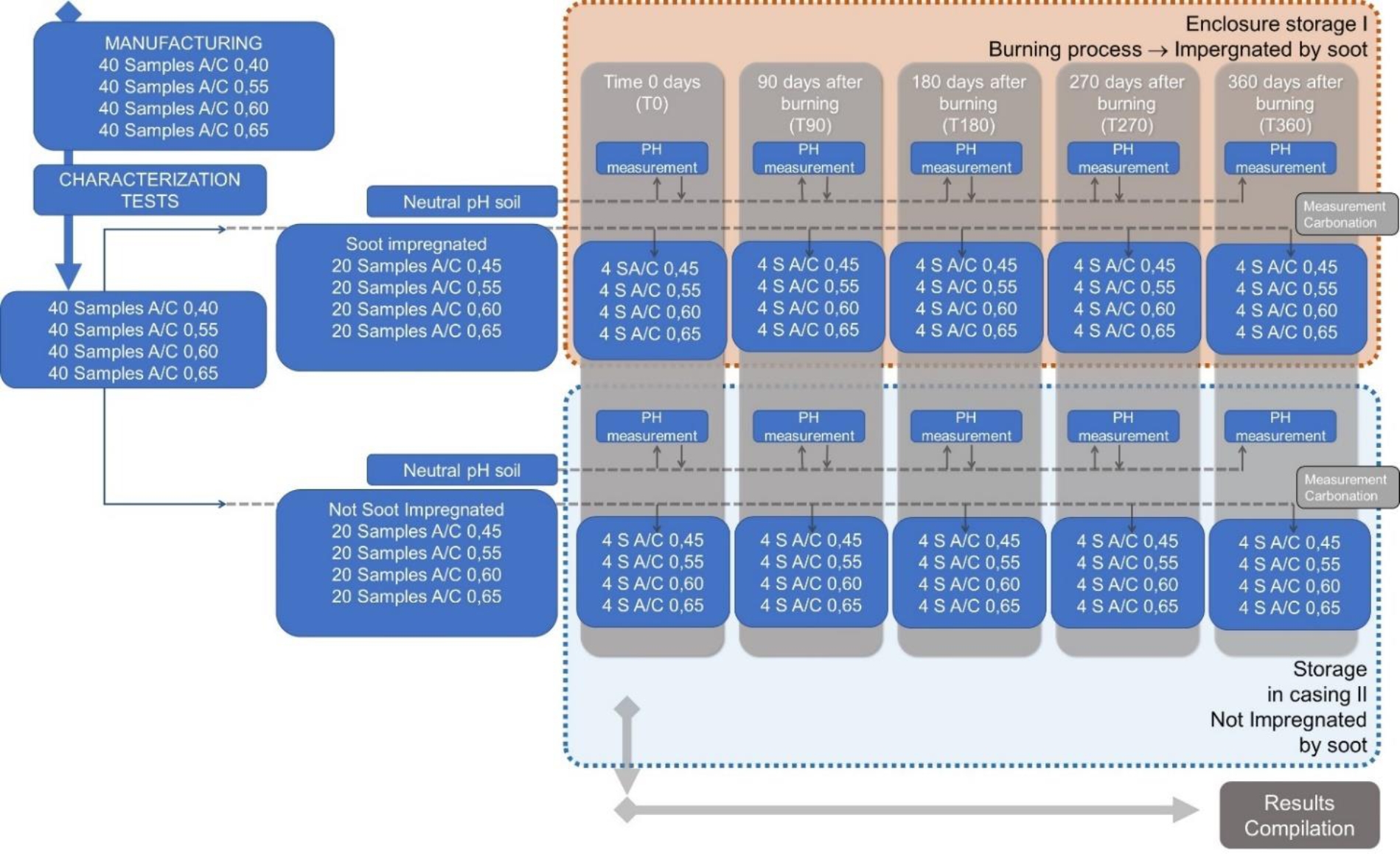
Flowchart 1. Flowchart of the experimental program.
2.1 Concrete Specimens
The casting of concrete specimens followed the guidelines for molding and curing as outlined in ABNT NBR 5738. Quantities of materials for each mix design, based on the w/c ratios of 0.45, 0.55, 0.60, and 0.65, were calculated and are presented in Table 1.
Table 1. Material Quantities (kg) for Specimen Casting by Mix Design
| Material used for molding the specimens – Unitary Trait | ||||
| Material | Water/Cement Ratio (w/c) | |||
| 0,45 | 0,55 | 0,60 | 0,65 | |
| Cement (kg) | 1,00 | 1,00 | 1,00 | 1,00 |
| Sand (kg) | 2,05 | 2,73 | 3,07 | 3,41 |
| Gravel (kg) | 1,95 | 2,38 | 2,60 | 2,82 |
| Water (kg) | 0,45 | 0,55 | 0,60 | 0,65 |
| Plasticizer (kg) | variável | variável | variável | variável |
| Slump Test Results | ||||
| Slump (cm) | 18.0 | 17.0 | 16.0 | 16.0 |
The slump values for the concrete mixes were 16 ± 3 cm, and adjustments were made using a plasticizing admixture.
After casting, specimens underwent 7 days of submerged curing and were then removed. Excess specimens were tested at the Technological Research Institute of São Paulo (IPT-SP) for physical characterization (compressive strength, tensile strength, dimensions, specific mass, and void index), confirming consistent results with expected values.
To produce the concrete discs, the standard-sized specimens measuring 10cm in diameter and 20cm in length that had been molded were sectioned into four (4) equal parts, as shown in Fig. 1, below:
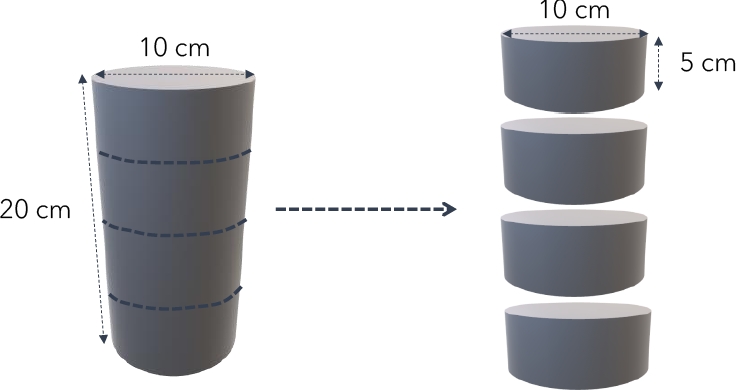
Figure 1. Illustration of slicing the specimens.
It is worth noting that the specimens were cut into 4 discs to take up less space inside the casing, and there was no other peculiarity in the decision to divide the 20cm specimens. All sides were exposed to the soot-soaked environment, and the measurement took into account all 4 sides of the disc: top, bottom and sides.
2.2 Combustible Materials
To simulate conditions resembling a real residential fire, the selection of combustible materials was based on several specifications, as detailed: Based on ABNT NBR 15575:2013, which specifies furniture quantities for standard building environments, and data from Annex I of Decree No. 57.776 (related to building dimensioning standards), the combustible materials were determined. Additionally, ABNT NBR 12721:2005 provided data on construction characteristics, such as types of coatings and ceiling materials.
From these data, the quantity of construction elements, furniture and utensils in a standard building was calculated and the quantity of combustible materials per square meter of residential building was obtained in kilos (kg/m² of combustible material). Based on this estimate, the calculation related to the area of the test chamber (in m²) was carried out and multiplied by the “average weight” of each element “per square meter of building”. For example, a bedroom contains 517 kg of wood; 9.21 kg of foam; 38 kg of fabric; 21.40 kg of plastic element; and 377 kg of mineral element.
After making this calculation for each environment, the result was a total of 75 kg of combustible material/m² of the building, with a proportion of 24% wood; 2% foam and fabric; 2% plastic and 72% mineral elements such as ceramics, plaster and fiber lining, which although not combustible, are subject to glazes and added materials that can influence the composition of the soot. This quantity of materials was proportional to the area of the test chamber, and it was defined that up to 17.23 kg of materials would be implemented, 6.56 kg of which would be wood; 0.13 kg of foam; 0.38 kg of fabric; 0.63 kg of plastic; 9.53 kg of mineral materials consisting of ceramics.
Due to limited space inside the casing, the quantities mentioned in the previous paragraph were divided into 4 portions of 4.31 kg, which were introduced into the casing, respecting the proportions, throughout the burning period.
2.3 Test Chamber
To burn the material, an adapted smoker was purchased, in which the smoke could pass into the upper part where the test specimens were located, but the burning area was isolated in the lower part of the object, therefore, there was no contact between the materials. test specimens directly with the fire.
This smoker, made of stainless steel, had 5 hollow trays in the upper part where the test specimens could be stored, and in its lower part, a smooth plate where the burning products were stored.
Between the upper and lower compartments there was a metal plate where ceramic plates were inserted that minimized the transmission of heat from the burning area to the upper part where the specimens would be stored.
The chamber was 50cm wide, 40cm deep and 1.55m high. This casing also has a thermometer at its top by which the temperature of the upper part was measured, in order to ensure that it did not exceed 200ºC, as from this temperature the C-S-H Dehydration begins, generating anhydrous silicates, causing Loss in Resistance (Neville, apud, Costa, Figueiredo, & Silva, 1997).
2.4 Neutral Soil Sample
For comparative purposes of the pH index, a container with soil (red clay) was placed outside the casing, while another was added inside the casing and, consequently, exposed to smoke.
There is no standardization for this measurement, and the definition of this methodology is carried out empirically with the aim of obtaining data that makes it possible to assess, although not precisely, whether there is a difference between the atmospheric conditions of the environment impregnated by soot and the environment that was not impregnated by soot. soot.
These tests were thus programmed to represent the environment of a building that suffered fire, which is impregnated with soot and sealed to prevent theft (as are buildings in Brazil when they experience fires for several months until the recovery works begin). Under these conditions, the environment tends to be more aggressive (acidic) than the environment of a building that has not suffered a fire, is not impregnated with soot and is ventilated.
The pH change in neutral and similar material was also evaluated, impregnating one sample with soot for 12 months and the other without.
2.5 Burning Process and Soot Impregnation
In the bibliography consulted, no technical standards were found that guide similar tests for soot impregnation in test specimens, without contact with temperature. In this way, the burning criterion consisted of burning the material carried out in the lower part of the casing, as shown in Figure 4, while the test specimens were arranged inside (upper part) of the casing (Figure 5), being equivalent to 20 discs. each trace, which was subjected to smoke without direct contact with the flame, as well as the container with soil arranged in the casing. 20 discs of specimens from each trace and a container with soil were also left outside the casing, which were not subjected to smoke.
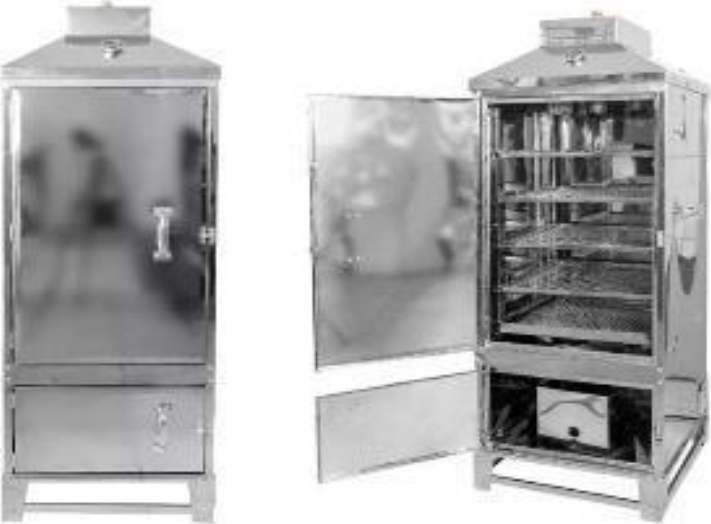
Figure 2. Smoker used as a covering for burning the specimens.
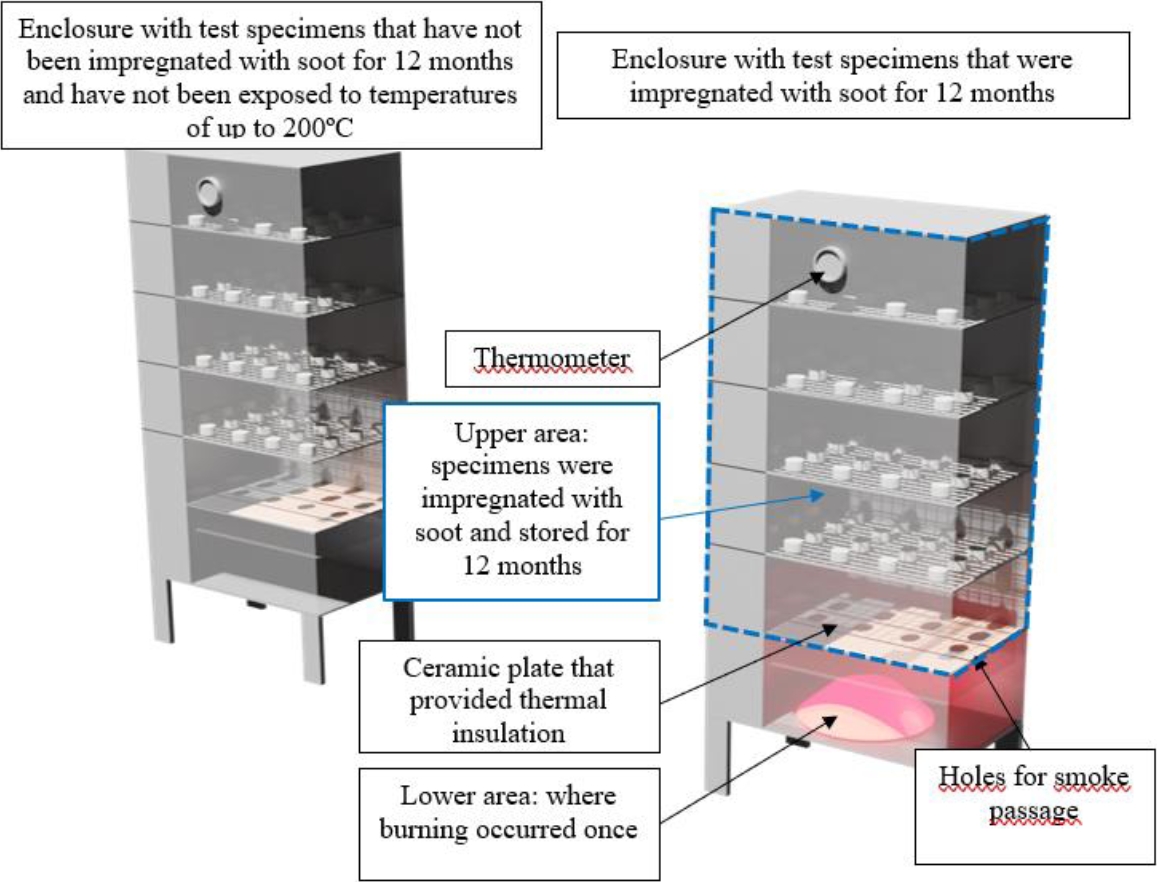
Figure 3. Schematic of a smoker used as a casing for burning the specimens.
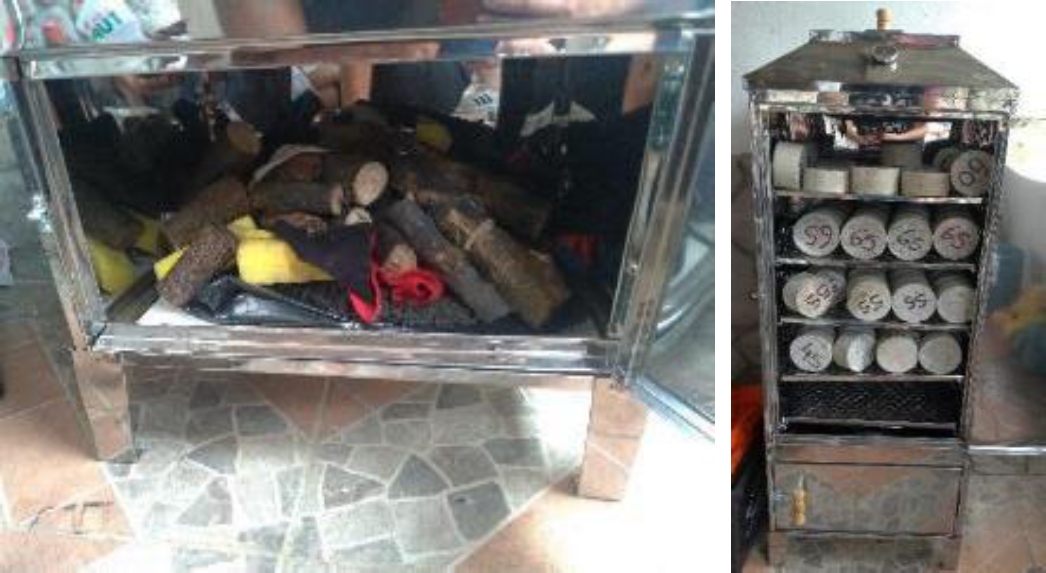
Figures 4 and 5. Left: Materials for burning inside the casing. Right: Test specimens arranged inside the casing, with each trace arranged at one level of the casing.
The material was burned with the casing closed for 90 minutes, which is determined as the maximum TRRF time (Required Fire Resistance Time [TRRF], Júnior, 2011) as recommended by NBR 14432 (ABNT, 2001), which refers to the fire resistance requirements of constructive elements of buildings for residential buildings of up to 30m (buildings of up to 10 floors).
Throughout the firing, the temperature was monitored so that it did not exceed 200º C, a temperature at which the first significant changes in the micro-structure of the concrete could begin.
2.6 Carbonation Front Measurement
The procedure for measuring the carbonation front consisted of a section in the center of the cores and application, via spraying, of the phenolphthalein solution orthogonally to the selected area. Figure 6, below, represents the stages of this process.
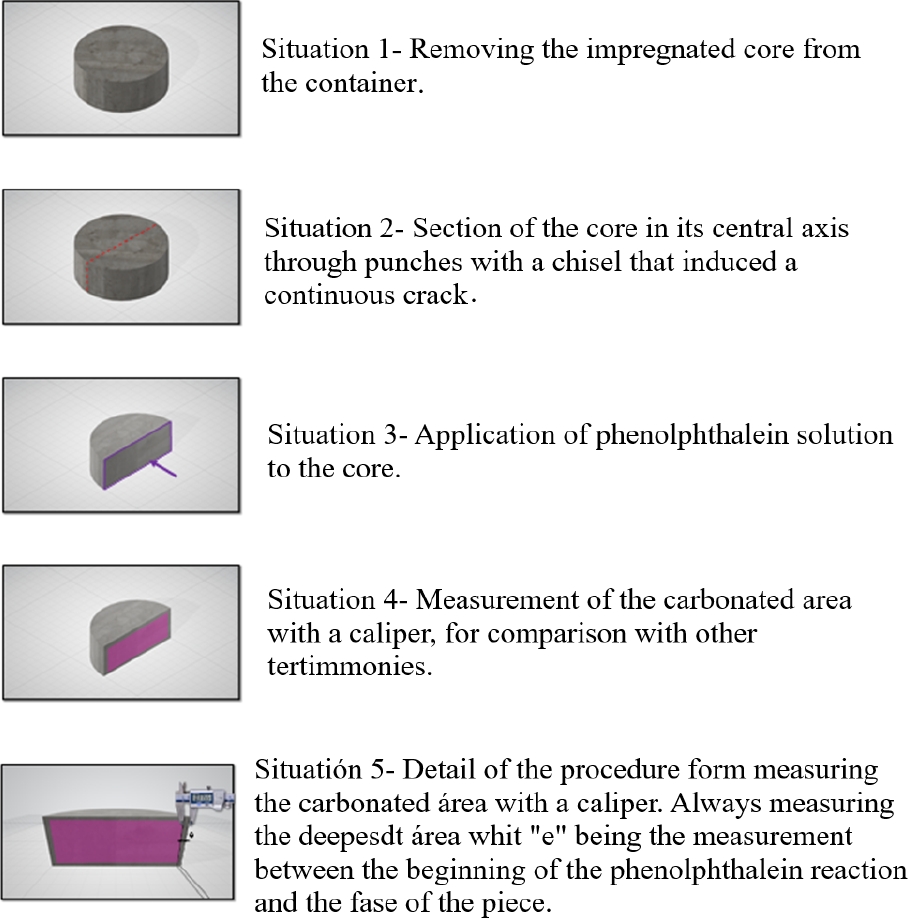
Figure 6. Illustration of the phenolphthalein solution spraying procedure.
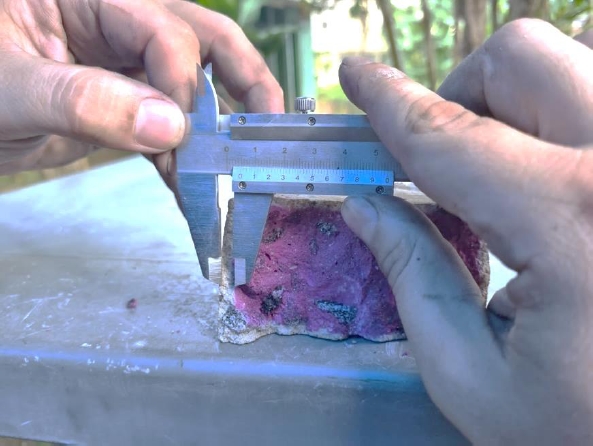
Figure 7. Measurement of the carbonated area
The measurement of the carbonated area was carried out on the test specimens with and without soot impregnation. The carbonated thickness was measured and at the end of the process a comparative graph was created between the measurements of what was inside the casing and what was left outside the casing, to identify whether there is a change in the carbonation front, thus reducing the useful life of the concrete.
The measurement of the carbonation front in the soot-impregnated specimens was carried out in the following periods: 0 (i.e., immediately after the end of burning), 91, 182, 273 and 364 days after the burning of combustible materials (3, 6, 9 and 12 months respectively). These materials were stored inside the casing where there was impregnation with soot, in conditions preserved from the post-burn situation, that is, without any cleaning intervention being carried out.
3. RESULTS AND DISCUSSION
3.1 pH Measurement in Neutral Soil Samples
The difference in pH in the containers with soil was measured in the containers placed inside and outside the casing, and a comparison was made between these results, in the same periods in which the samples impregnated and not impregnated with soot were taken.
The results of measuring the pH of the soil in the containers placed outside or inside the casing showed that a lower pH was found in the sample that was placed inside the casing exposed to residual soot, in the order of 5.5, while the sample that was placed outsite the casing, not impregnated with soot and reached pH levels that varied between 6.0 and 7.0.
3.2 Carbonation Front Progression Over Time
Graph 1 demonstrates the concrete carbonation front, in different traces, both impregnated (red tones) and non-impregnated (blue tones). Based on these data, it can be observed, in general, that the passage of time (0 to 364 days) is related to the increase in carbonation, both for impregnated and non-impregnated specimens. This demonstrates a natural tendency for carbonation - although relatively slow under natural conditions - due to common environmental conditions, such as exposure to gases present in the atmosphere, as previously described in the literature (Costa, 2012).

Graph 1. Carbonation front over time among the non-impregnated and impregnated specimens for all concrete mixes.
However, it is possible to verify that the carbonation front advanced at a greater speed in the specimens that were subjected to temperatures of up to 200ºC in the burning process and subsequently spent 365 days subjected to intense soot impregnation and an aggressive post-fire environment.
The results compiled in table format (Table 3) are also presented for better understanding:
Table 2. Result of pH measurement in containers with initially neutral soil, in each casing
| Measuring pH in containers with soil Initially Neutral, in each container | ||||||
| Time | T0 | T90 | T180 | T270 | T360 | |
| Date | 19/6/22 | 24/9/22 | 16/12/22 | 16/3/23 | 14/6/23 | |
| PH Soil | Impregnated | 5,50 | 5,50 | 5,50 | 5,50 | 5,50 |
| Non-Impregnated | 6,00 | 6,00 | 6,00 | 6,00 | 7,00 | |
Table 3. Carbonation front over time among the non-impregnated and impregnated specimens for all concrete mixes, with data bar corresponding to the advance of the carbonation front. (source: author)
| 0,45 | 0,09 | 0,47 | 0,47 | 0,56 | 0,62 | |
| 0,55 | 0,24 | 0,50 | 0,53 | 0,62 | 0,69 | |
| 0,6 | 0,37 | 0,46 | 0,60 | 0,68 | 0,78 | |
| 0,65 | 0,51 | 0,62 | 0,64 | 0,83 | 0,83 | |
| 0,45 | 0,00 | 0,00 | 0,00 | 0,00 | 0,00 | |
| 0,55 | 0,00 | 0,00 | 0,00 | 0,05 | 0,00 | |
| 0,6 | 0,00 | 0,00 | 0,10 | 0,22 | 0,18 | |
| 0,65 | 0,00 | 0,00 | 0,10 | 0,20 | 0,15 | |
Images of the specimens after measuring the carbonation front with phenolphthalein will be presented below.
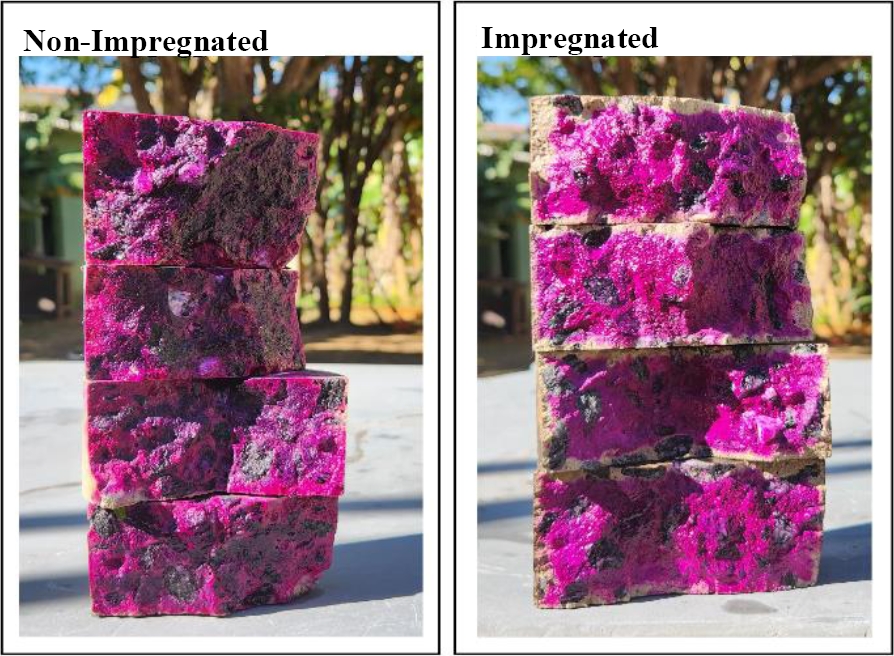
Figure 8. Comparison of the measurement of the carbonation front with phenolphthalein, in the water/cement ratio 0.45, at the end of the 360 days of experiment
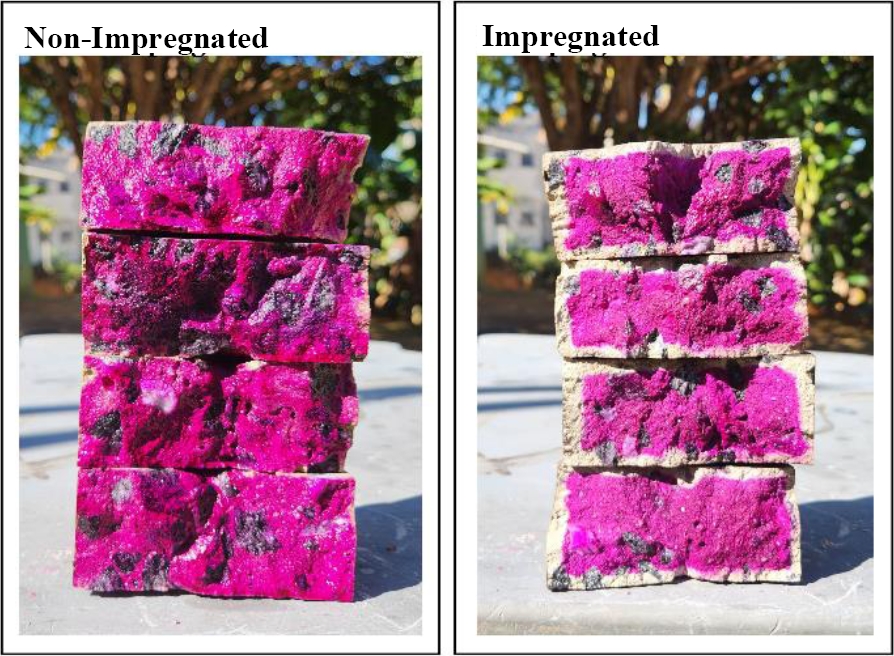
Figure 9. Comparison of the measurement of the carbonation front with phenolphthalein, in the water/cement ratio 0.55, at the end of the 360 days of experiment
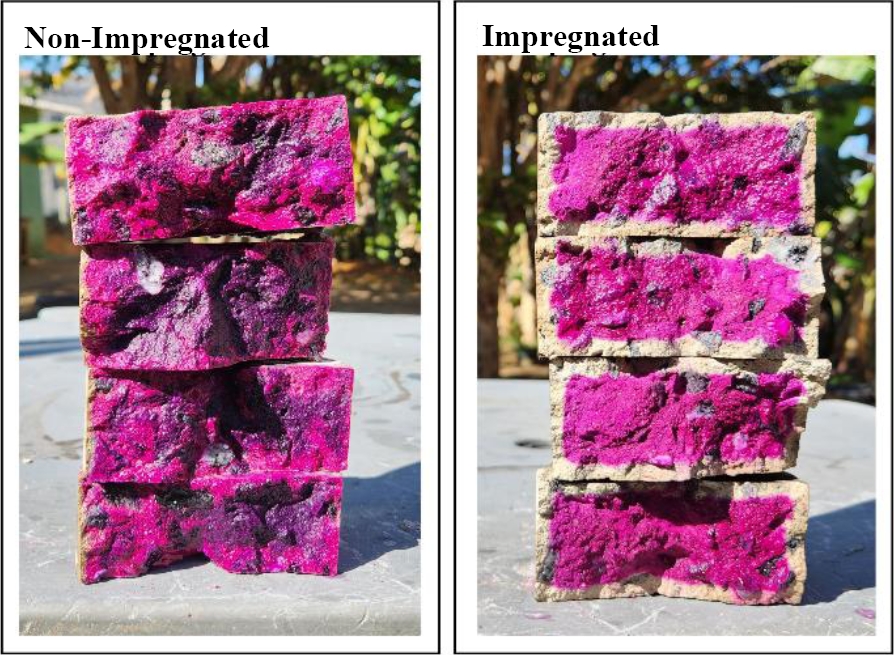
Figure 10. Comparison of the measurement of the carbonation front with phenolphthalein, in the water/cement ratio 0.60, at the end of the 360 days of experiment
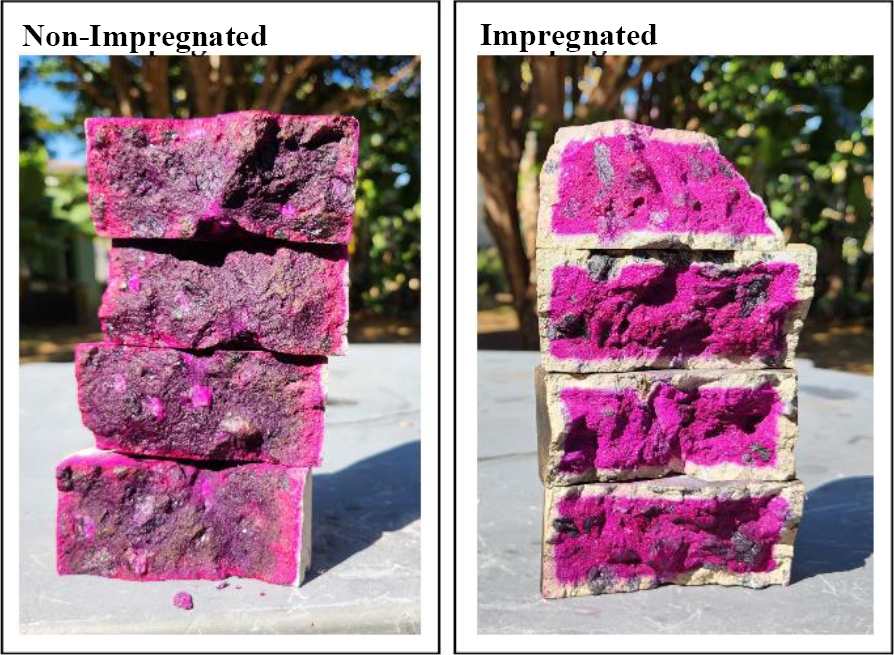
Figure 11. Comparison of the measurement of the carbonation front with phenolphthalein, in the water/cement ratio 0.65, at the end of the 360 days of experiment
It was immediately possible to observe that the carbonation values present in the T0 column of the graph demonstrate that the advancement of the carbonation front immediately after burning the material and the soot impregnation was 0.085 cm for the w/c trace. 45; 0.235 cm for w/c trace. 55; 0.365 cm for the w/c trace. 60 and 0.5125 cm for the w/c trace. 65.
There are values that appear negative, as the measurement was made with a caliper. If the differences that appear negative are analyzed, they are on the order of 0.02 cm, which are subject to variations due to reading errors, variations in the penetration of the carbonation front from one sample to another, among other inaccuracies that the method has.
The important thing from the authors' point of view is to understand that there is a trend line that shows that concrete impregnated with soot and left dirty for 12 months in an aggressive environment, has a greater advance in the carbonation front in relation to concrete that has not undergone soot. fires.
In Table 3 it is still possible to verify a significant difference between the carbonation indices of the specimens exposed or not to soot (impregnated / not impregnated). The impregnated concrete presented a higher carbonation index for all traces, according to the hypothesis proposed at the beginning of this study, while the non-impregnated concrete presented a lower level over time. This difference between the groups (impregnated / non-impregnated) remained throughout the entire period analyzed, demonstrating in a more consistent way the trend already observed previously regarding the influence of exposure to soot and moderate temperature, even without contact with fire, in the advancement of the carbonation front.
Based on the equation developed by Tuutti (1982), the carbonation index (k) was calculated for the carbonation front of the soot-impregnated and non-impregnated specimens. The aforementioned equation is represented below:
Where:
Xc = carbonated thickness in mm (milímetro);
t = time in years;
k = depends on the effective diffusivity of CO2 through concrete and the presence of water (TUUTTI, 1982).
From these calculations, the following results were obtained:
Table 4. Comparison of the progress of carbonation in impregnated and non-impregnated concrete in twelve months. (source: author)
| 45 | Impregnated | 6,20 | 1,00 | 6,20 | 620% | 10,41 | 9,41 | |
| Non-impregnated | 1,00 | 1,00 | 1,00 | 400,00 | 399,00 | |||
| 55 | Impregnated | 6,93 | 1,00 | 6,93 | 693% | 8,34 | 7,34 | |
| Non-impregnated | 1,00 | 1,00 | 1,00 | 400,00 | 399,00 | |||
| 60 | Impregnated | 7,75 | 1,00 | 7,75 | 443% | 6,66 | 5,66 | |
| Non-impregnated | 1,75 | 1,00 | 1,75 | 130,61 | 129,61 | |||
| 65 | Impregnated | 8,33 | 1,00 | 8,33 | 555% | 5,77 | 4,77 | |
| Non-impregnated | 1,5 | 1,00 | 1,50 | 177,78 | 176,78 | |||
In this way, it is possible to evaluate that concretes that were subjected to moderate temperatures and were impregnated by residual soot from this burning for a period of 12 months, have an effective carbonation diffusion index up to 6.93 times higher than concretes that were not impregnated and subjected to environments with soot concentrations.
4. CONCLUSIONS
From the experiment carried out in this study, it is evident that the combined action of moderate temperatures (below 200ºC) with soot impregnation for long periods (in the case of this study, 12 months) are related to the acceleration of the advance of the carbonation front, this information being relevant for the planning and execution of the recovery of structures that were subjected to fires and that will be reused.
Based on the pH measurement, although imprecise due to the limitation of the device used, it is clear that the environment impregnated by soot has higher acidity compared to an environment not impregnated by soot.
Microcracking and expansion of residual pores at temperatures limited to 200ºC, added to the fact of a more aggressive environment, results in the advancement of the carbonation front in soot-impregnated concrete over a period of 12 months, which can be up to more than 6 times that concretes that have not been impregnated with soot and have not experienced temperatures of up to 200ºC.
Therefore, for concrete that has suffered damage due to high temperatures, there are several bibliographies that indicate the extent of the damage and how to treat these construction elements. However, for concrete that has not suffered high temperatures and has been impregnated with soot, cleaning and removing the soot is recommended so as not to compromise the useful life of the remaining structure.
5. ACKNOWLEDGMENTS
The authors would like to thank the São Paulo Institute for Technological Research (IPT-SP), represented by Professor Dr. Cláudio Mitidieri Filho, and PhD Engenharia for their support in this study.
6. REFERENCES
Andrade, J. J. O. (2001), Contribuição à previsão da vida útil das estruturas de concreto armado atacadas pela corrosão de armaduras: iniciação por cloretos. Tese (Doutorado em Engenharia) - Escola de Engenharia, Universidade Federal do Rio Grande do Sul. Porto Alegre, 277 f.
Araújo, A. (2013), Estudo de corrosão em estruturas de concreto. Reunião do Grupo de Gestão e Controle de Corrosão do E&P - Instituto de Pesquisas Tecnológicas. Rio de Janeiro.
Bastos, P. S. (2019), Fundamentos do Concreto Armado. Universidade Estadual Paulista. Bauru, 96 p.
BRASIL (2017), Decreto nº 57.776 de 7 de julho de 2017. Regulamenta a Lei nº 16.642, de 9 de maio de 2017, que aprovou o Código de Obras e Edificações do Município de São Paulo; define os membros da Comissão de Edificações e Uso do Solo - CEUSO. Câmara Municipal de São Paulo.
Britez, C. A. (2011), Avaliação de pilares de concreto armado colorido de alta resistência, submetidos a elevadas temperaturas. Tese (Doutorado em Engenharia) - Escola Politécnica, Universidade de São Paulo. São Paulo, 252 f.
Costa, V. C. M. (2012), Influência da corrosão generalizada na aderência e comportamento estrutural de elementos de concreto armado. Tese (Doutorado em Estruturas e Construção Civil) - Faculdade de Tecnologia, Universidade de Brasília. Brasília, 180 f.
Cunha, A. C. Q., Helene, P. R. L. (2001), Despassivação das Armaduras de Concreto por Ação da Carbonatação. Boletim Técnico - Escola Politécnica, Universidade de São Paulo. São Paulo.
Fernandes, B., Gil, A. M., Bolina, F. L., Tutikian, B. F. (2017), Microstructure of concrete subjected to elevated temperatures: pHysico-chemical changes and analysis techniques. Revista IBRACON de Estruturas e Materiais 10(4):838-863. https://doi.org/10.1590/S1983-41952017000400004
Fialho, R. F., Seibt, B. H., Carrijo, S. A. (2019), Um estudo sobre a despassivação da armadura com ênfase na causada por carbonatação do concreto. In: Anais Colóquio Estadual de Pesquisa Multidisciplinar & Congresso Nacional de Pesquisa Multidisciplinar.
Figueiredo, E. P. (2005), Efeitos da carbonatação e de cloretos no concreto. In: Isaia, G.C. Concreto: ensino, pesquisa e realizações. São Paulo: Ibracon, V.2, cap. 27, p.829 – 855.
Fonseca, L. A. C., Corrêa, M. R., Silva, R. M. (2013), Projeto de edifícios em concreto armado. Volume 1. Oficina de Textos.
Helene, P. R. L. (1986), Corrosão em armaduras para concreto armado. São Paulo: Pini: Instituto de Pesquisas Tecnológicas.
Helene, P. R. L. (1993), Contribuição ao Estudo da Corrosão em Armadura de Concreto Armado. Tese (Livre Docência) – Escola Politécnica, Universidade de São Paulo. São Paulo, 231.
Instituto Sprinkler Brasil [s. d.], Estatísticas. Disponível em <https://sprinklerbrasil.org.br/instituto-sprinkler-brasil/estatisticas/>. Acesso em 20 mar 2023.
Júnior, F. B., Pereira, J. E., Ádria, A., Nobre, G. G., Coelho Junior, R. S., de Oliveira, I. P. (2019). Avaliação de estrutura de concreto armado após situação de incêndio: estudo de caso em Brasília / Evaluation of reinforced concrete structure after fire situation: a case study in Brasília. Brazilian Journal of Development, 5(11), 23870–23888. https://doi.org/10.34117/bjdv5n11-085
Júnior, K. O. (2011), Pilares de concreto armado em situação de incêndio submetidos à flexão normal composta. Tese (Doutorado), Universidade de São Paulo.
Ribeiro, D. V., Sales, A., Sousa, C. A. C., Almeida, F. C. R., Cunha, M- P. T., Lourenco, M. Z., Helene, P. (2014), Corrosão em estruturas de concreto armado: teoria, controle e métodos de análise. Campus, Elsevier.
Rosa, R. C. (2015), Prevenção e Combate à Incêndios e Primeiros Socorros. Instituto Federal de Educação, Ciência e Tecnologia – RS, Campus Porto Alegre, RS, Brasil.
Seito, A. I., Gill, A. A., Pannoni, F. D., Ono, R., Silva, S. B., Carlo, U., Silva, V. P. (2008), A Segurança Contra Incêndio no Brasil. Projeto Editora: São Paulo.
Feng, M., Li, M., Qu, H., Tian, D., Lu, M., Gui, T., Li, G. (2023), Degradation mechanism and evaluation of the carbonation resistance of concrete after high-temperature exposure. Structures, v. 58, p. 105621, http://dx.doi.org/10.1016/j.istruc.2023.105621 .
Liu, T., Wang, H., Zou, D., Long, X., Miah, M-J., Li, Y. (2023), Strength recovery of thermally damaged high-performance concrete subjected to post-fire carbonation curing. Cement And Concrete Composites, v. 143, p. 105273, http://dx.doi.org/10.1016/j.cemconcomp.2023.105273.
Oliveira, J. A., Ribeiro, J. C. L., Pedroti, L. G., Faria, C. S., Nalon, G. H., Oliveira Júnior, A. L. (2019), Durability of Concrete After Fire Through Accelerated Carbonation Tests. Materials Research, v. 22, n. 1, 2019. FapUNIFESP (SciELO). http://dx.doi.org/10.1590/1980-5373-mr-2019-0049.
Iwama, K., Maekawa, K. (2022), Modeling of carbonation, de-carbonation and re-carbonation processes of structural concrete subjected to high temperature heating. Cement And Concrete Composites, v. 129, p. 104493. http://dx.doi.org/10.1016/j.cemconcomp.2022.104493
