
| Study Case | https://doi.org/10.21041/ra.v14i3.766 |
Pathological manifestations in a historic building: post-fire scenario at Casarão dos Fabricantes
Manifestaciones patológicas en un edificio histórico: escenario post-incendio en Casarão dos Fabricantes
Manifestações patológicas em edificação histórica: cenário pós-incêndio do Casarão dos Fabricantes
M. H. C. M. Bezerra1 , L. S. Lima2, A. L. L. Magalhães1, L. Santos Filho1, J. S. Miyasaki2, E. V. Carvalho1*
1 Civil Engineering Course, Christus University Center, Fortaleza, Brazil.
2 Architecture and Urbanism Course, Christus University Center, Fortaleza, Brazil.
*Contact author: elayne.valerio@gmail.com
Received: 01/06/2024
Revised: 13/08/2024
Accepted: 23/08/2024
Published: 01/09/2024
| Cite as: Bezerra, M. H. C. M., Lima, L. S., Magalhães, A. L. L., Santos Filho, L., Miyasaki, J. S., Carvalho, E. V. (2024), “Pathological manifestations in a historic building: post-fire scenario at Casarão dos Fabricantes”, Revista ALCONPAT, 14 (3), pp. 299 - 317, DOI: https://doi.org/10.21041/ra.v14i3.766 |
ABSTRACT
The objective of this study is to document the pathological manifestations of the Casarão dos Fabricantes, one of the oldest buildings in Fortaleza, which was severely damaged by a major fire in 2020. Despite its historical significance, there are no records detailing the condition of the building either before or after the fire. The internal walls and two facades were the only construction elements that were not destroyed by the fire. The survey of the pathological manifestations was conducted by visual assessment and infrared thermography, revealing different degradation processes across the evaluated structures and providing a systematic view of the extent of the damage to the building. Mapping this damage provided an integrated approach, offering a scientific basis to support the restoration process.
Keywords: preservation of historical heritage; pathological manifestations; damage map; GUT matrix; fire.
1. INTRODUCTION
Historic buildings are especially important when considering the historical, social, economic, and environmental aspects inherent to them (Gomes and Tomé, 2023). These buildings are tangible witnesses to the history and culture of a place. Therefore, preserving them is crucial for ensuring that future generations can understand and appreciate their roots and the evolution of society.
However, the preservation of architectural heritage can be challenging, as these buildings are exposed to various environmental conditions and structural deficiencies that lead to deterioration and damage (Amer et al., 2024). Additionally, many historic buildings are in urban areas where there is pressure for real estate development. The appreciation of land can lead to the irregular adaptation of historic structures for the operation of shopping centers or other economic activities. However, these buildings were not designed to withstand the demands of commercial activities, making them susceptible to collapse or irreversible damage (Li et al., 2024).
Fortaleza, a city in Northeast Brazil, exemplifies this challenge. There are many cases of historic buildings that were not built and designed to meet the demands of contemporary activities and that did not undergo careful adaptations that could make the new use viable without compromising their structure or architectural features. Unfortunately, historic buildings are often not always inspected, which makes these buildings vulnerable to collapse or irreversible damage. In cases like these, fires are common, causing not only great economic losses but also permanent damage to the exceptionally valuable historic environment (Li et al., 2024).
In this scenario, on September 5, 2020, a major fire hit the Casarão dos Fabricantes, one of the oldest buildings in Fortaleza. As a result, the building, provisionally listed by the City of Fortaleza, suffered irreversible damage, which was only resisted by the external walls, which were stabilized with a concrete structure. After three years, the process of restoring the historic building began.
Before any restoration work, a thorough structural analysis and damage assessment are essential (Amer et al., 2024). In view of this, in historical heritage preservation, the importance of recording the degradation process in historical buildings is widely recognized. This is because, to identify the structural vulnerabilities of these constructions of cultural and historical value and propose appropriate measures to mitigate them, it is crucial to have an integrated view of the conservation status of the buildings, allowing the highlighting of weak points in the structure and facilitating the elaboration of coordinated interventions (Ruiz-Jaramillo et al., 2020). In this sense, methods of diagnosis and damage characterization are essential for the documentation and creation of appropriate conservation strategies, especially non-destructive diagnostic techniques (Rodrigues, Dell Lama, 2013), as they can be applied on site without the need for destructive sampling, which can cause permanent damage of varying proportions to the construction (Bezerra, 2024).
Despite the historical relevance of the Casarão dos Fabricantes, there are no studies in the scientific literature that have investigated and documented the pathologies presented by this building, before or after the fire. Therefore, this study aims to evaluate and document the conditions of the internal walls and the two facades of the Casarão dos Fabricantes. To this end, an exploratory investigation was conducted, involving on-site inspections and the identification of pathological manifestations using non-destructive techniques. A damage map was created to detail the location, extent, and type of damage present. Additionally, the identified damages were categorized according to severity using the GUT matrix (severity, urgency, and tendency).
2. PROCEDURE
This study presents a scientific investigation employing a qualitative approach, classified in terms of its objectives as descriptive and exploratory. The research aims to describe the characteristics and properties of specific variables, while also broadly exploring and understanding these characteristics without delving into complex statistical analyses.
A single case study was conducted, focusing on the building known as Casarão dos Fabricantes, located in the municipality of Fortaleza, Brazil. The chosen data collection technique was direct documentation through field visits, during which the damages and pathologies present in the building were identified, recorded, and measured. The research was structured into two main stages: (i) identification and understanding of the property, and (ii) diagnosis of pathological manifestations.
2.1 Data collection procedures
The first stage consisted of identifying and understanding the property, a step outlined in the Manual for the Preparation of Projects of the Monumenta Program (Brazil, 2005), which clarifies that this phase aims to analyze the building from historical, aesthetic, artistic, formal, and technical perspectives. It also seeks to comprehend the building’s significance both in the present and over time, understand its evolution, and, most importantly, recognize the values for which it has been acknowledged as cultural heritage.
This phase encompasses historical research as well as the physical and photographic survey of the property. Accordingly, bibliographic research was conducted to study the building’s history, in addition to its photographic survey. A physical survey was deemed unnecessary, as it had already been conducted by architects hired by the City of Fortaleza for the restoration and requalification project, and the file was made available by this institution.
In the second stage, the building’s diagnosis was carried out, focusing on the identification, survey, and mapping of the damages observed after the fire. To this end, a field visit was conducted on June 5, 2024, during which the damages were surveyed at different times.
Non-destructive tests are in situ methods suitable for the inspection, monitoring, and evaluation of historic buildings. The results are obtained immediately, allowing for the detection of structural conditions, the classification of their current state, and the comparison of different properties based on reference values. These methods are generally cost-effective, employ cutting-edge technology, do not cause degradation to the monuments, and offer high-speed operation (Valero, Sasso, Vicioso, 2019), making it feasible to obtain the qualitative and quantitative parameters necessary for planning the recovery and preservation of monumental structures (Fais et al., 2018). Visual inspection and infrared thermography are among the most common non-destructive tests applied to inspect cultural assets, and the choice of these evaluation techniques depends on the type of pathology and the material to be inspected (Moropoulou et al., 2013). In this context, during the field visit, photographic records were made of the building's conditions and damages, whether caused by the fire or by biological agents after the incident. Additionally, non-destructive tests were conducted using an infrared thermographic camera. The camera used in this study was a Flir E5 model, with a resolution of 160 × 120 (19,200 pixels), thermal sensitivity < 0.06°C (0.11°F) / <60 mK at 30°C (86°F), and a digital camera resolution of 5 MP. According to the manufacturer, the camera has an uncooled microbolometer detector and an accuracy of ±2 °C (±3.6 °F) or ±2% of reading for ambient temperature 10 °C to 35 °C (50 °F to 95 °F) and object temperature above 0 °C (32 °F) (Teledyne FLIR LLC, 2024). Furthermore, according to the manufacturer, the object temperature range is ?20 ºC to 400 ºC. The images were captured on June 5, 2024, at 10:05 AM, with a temperature of approximately 29 ºC. The ultraviolet index was 10.4, indicating very high levels of ultraviolet radiation. The relative humidity ranged between 74% and 95%, resulting in highly humid conditions.
The diagnostic process, composed of the damage map and the GUT matrix, was conducted through the identification of the damages and pathological manifestations observed during the field visits. At this stage, it was possible to identify and differentiate the types of existing damages, their causative agents, and the necessary procedures for their recovery.
According to Periard (2011), the GUT Matrix is a tool that assists in the quantitative assessment of problems, allowing for the prioritization of corrective and preventive actions to resolve the problem completely or partially. The author describes the steps for constructing the GUT Matrix. The first step is to list all the problems related to the research environment and evaluate them based on three main aspects:
Severity (G): Represents the impact the problem will have if it occurs.
Urgency (U): The time available or necessary to solve the problem.
Trend (T): The potential for the problem to grow over time.
The second step involves scoring each characteristic of the problem using a scale ranging from 1 to 5. In the third step, the values for each aspect (G × U × T) are multiplied. The pathological manifestation with the highest value will be considered the highest priority, and so on.
Finally, the cataloged damages were mapped. Using photographs and technical drawings produced with AutoCAD® software, a damage map was created for the remaining walls and facades. This map is considered a fundamental graphical component for synthesizing and spatializing the information gathered through visual inspection, physical and photographic surveys, and non-destructive tests, for the recording and documentation of the identified damages and pathologies. Additionally, a summary table of pathological manifestations and their causes was also developed, enabling the analysis of the building's state of conservation. The evaluated facades are identified as Facade A (Rua Alberto Nepomuceno) and Facade B (Rua Rufino de Alencar).
3. RESULTS AND DISCUSSION
3.1. Historical context and description of the study object: The Casarão dos Fabricantes
According to the report issued by the Urban Development Coordination Office (Prefeittura de Fortaleza, 2022), the Casarão dos Fabricantes is located at 339 Alberto Nepomuceno Street, in the Centro neighborhood (Figure 1A). The building is one of the few remaining examples of the residences that were originally constructed in the area. Its location is within one of the oldest occupied regions of the city, situated near the Fortaleza de Nossa Senhora da Assunção, the Palácio do Bispo -currently the Municipal Palace - and along the banks of the Pajeú Creek, a watercourse around which the occupation of Fortaleza began.
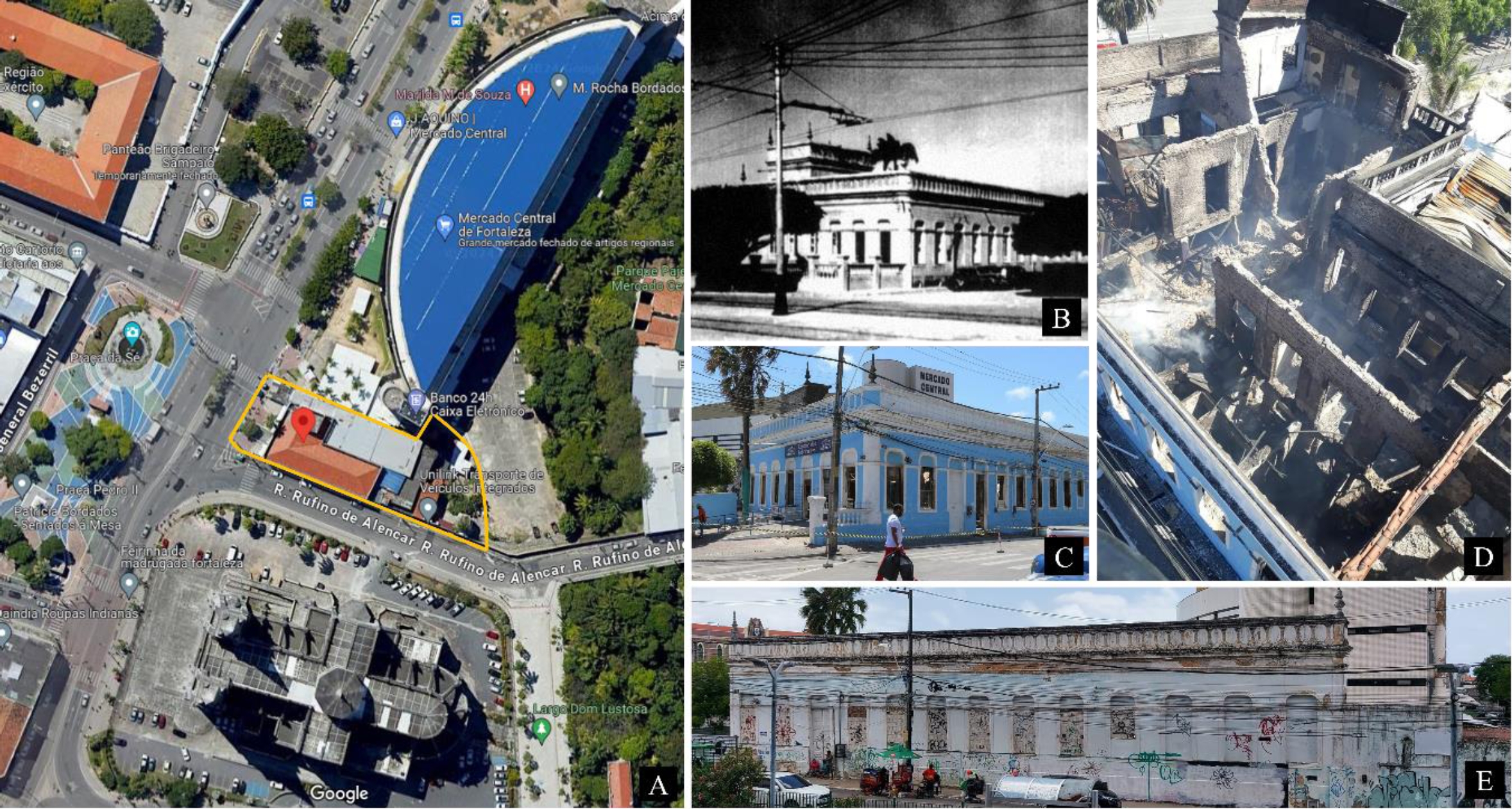
Figure 1. Casarão dos Fabricantes: (A) Location, as delineated in Land Registry CRI 2ª ZONA No. 82160 (City of Fortaleza, 2022); (B) the building at the beginning of the 20th century, showing the iron railing enclosing the front garden (Almeida, 2020; Photo: Fortaleza Nobre); (C) before the fire, adapted for commercial use (Custódio, 2020; Photo: Natinho Rodrigues); (D) after the fire (G1 CE, 2020); and (E) before the start of the restoration works.
Alberto Nepomuceno Avenue was formerly known as Rua Direita dos Mercadores, a predominantly commercial street, common in many Brazilian cities. The building still preserves a type of layout that was initially established in Fortaleza: with the rear of the plot facing the stream and its front façade oriented toward the street (Andrade, 2012). Due to the scarcity of historical information, it is only known that over the years, the building was adapted to meet the new demands brought by the city's growth, having operated as Hotel Avenida, the headquarters of Banco do Nordeste, Fortaleza City Hall, and the City Council (Prefeitura de Fortaleza, 2022). The examination of iconography allows us to understand some of the architectural modifications made to its external area, such as the demolition of the fence that enclosed the front garden (construction date unknown). By comparing the old photograph found (Figure 1B) with some current ones (Figure 1C), it can be observed that the façades have not undergone significant alterations over time. However, the interior remains unknown due to the lack of documentation.
Its architecture predominantly features neoclassical traits, with the modulation of window openings, symmetrical façades, simple ornamentation with the presence of cornices, finials, and baluster-like ornaments on its façade, and mortar moldings on its window frames and predominantly straight lines. It had a spatial configuration characteristic of 19th-century Brazilian buildings, with a roof covered with ceramic tiles of the “cape-and-canal” type hidden by a parapet, high ceilings, a tall basement, and interior doors with transoms to improve internal thermal comfort (Klüppel, 2009). After the fire, some of the materials used in the construction, which were exposed, could be identified (Figure 1D).
The most recent use introduced the Casarão to the predominant typology of the Centro district: the commercial typology (Figure 1C), giving rise to a project by Camila Botelho, owner of the Casarão dos Fabricantes brand, transforming it into a textile market (Figure 1C), where hundreds of vendors and permit holders operated, supporting the activities of the Central Market and the José Avelino Street Fair (Almeida, 2020). To achieve this, the building was adapted by reorganizing the internal layout to optimize circulation and space usage, while respecting the original architectural identity. This contributed to the enhancement of local heritage and provided a social interaction space for the community. The site became a reference for clothing trade, attracting tourists and city residents in search of affordable items (Bezerra, 2024).
On the night of September 5, 2020, the commercial routine was interrupted by a large-scale fire. The flames consumed the goods and damaged the building’s internal structures, causing irreparable damage. Figure 1D shows the current condition of the building after the fire. Immediately after the fire, Almeida (2020) reported that:
[...] the unit was so severely damaged by the fire that its roof collapsed, and it showed severe cracks and safety risks. [...] According to the Ceará Yearbook, the privately-owned facility was in the process of being listed - a measure taken to preserve ‘assets of historical value.’ In a statement, the Municipal Secretariat of Culture of Fortaleza (Secultfor) announced that it would ‘conduct a technical inspection to assess the condition of the property and develop appropriate specific guidelines aimed at maintaining the original historical features.
The flames consumed the goods and damaged the building’s internal structures, causing the collapse of the roof, floor, and most of the internal walls, leaving only a few, whose structure was severely compromised, leading to their demolition. Only the external walls remained viable and were stabilized with a concrete structure on their inner face. Figure 1E shows the building's condition after the intervention.
It is worth noting that the proximity of the Casarão dos Fabricantes to the Central Market posed a risk of the flames spreading to the other shopping center, one of the main tourist attractions in Ceará's capital (Diário do Nordeste, 2020). Technical reports suggest that the fire was caused by the building’s electrical installations, which were not designed or executed to meet the demands of a commercial center.
The building under study features traditional masonry construction, predominantly using white brick. It is important to highlight that this structure does not incorporate reinforced concrete or any type of metal reinforcement, which are common features in contemporary buildings.
The use of white bricks, a material typical of many historical buildings, provided the construction with adequate resistance for its time, though limited compared to modern materials. The absence of concrete and reinforcements in the structure reflects the construction techniques and materials available at the time the building was erected. This construction technique, based solely on masonry, relies heavily on the strength of the bricks themselves and the mortar that binds them. Therefore, maintaining the structural integrity of the building requires specific care, especially in preserving the original materials and replacing deteriorated elements with compatible materials.
3.2 Diagnosis of the pathological manifestations of the internal walls
Following a fire and considering the age of a masonry structure, various pathological manifestations can be observed. These variations depend on the intensity and duration of the fire, as well as the resistance of the building materials used. These conditions were assessed during the on-site inspection, where it was possible to observe and record the pathological manifestations present in the Casarão. These manifestations may have been caused by the fire or may have preceded this event due to the poor conservation conditions of the building. Figure 2 identifies the pathological manifestations on the walls of the Casarão, and the damage map (Figure 3) indicates the location of these and other degradation processes.
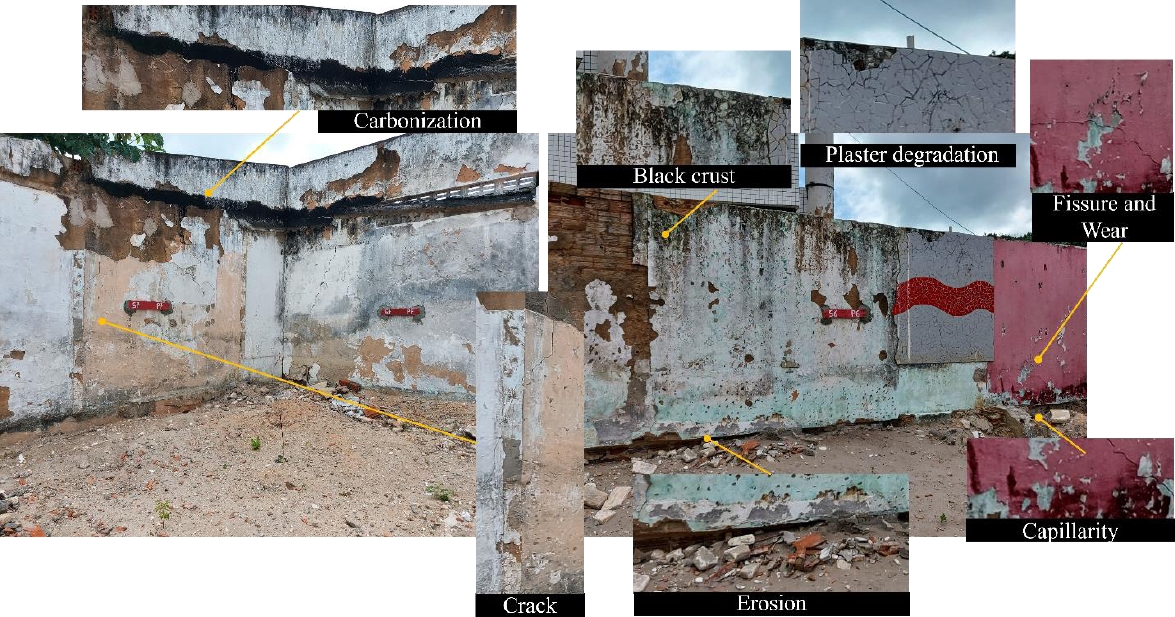
Figure 2. Pathological manifestations observed on the internal walls of the Casarão
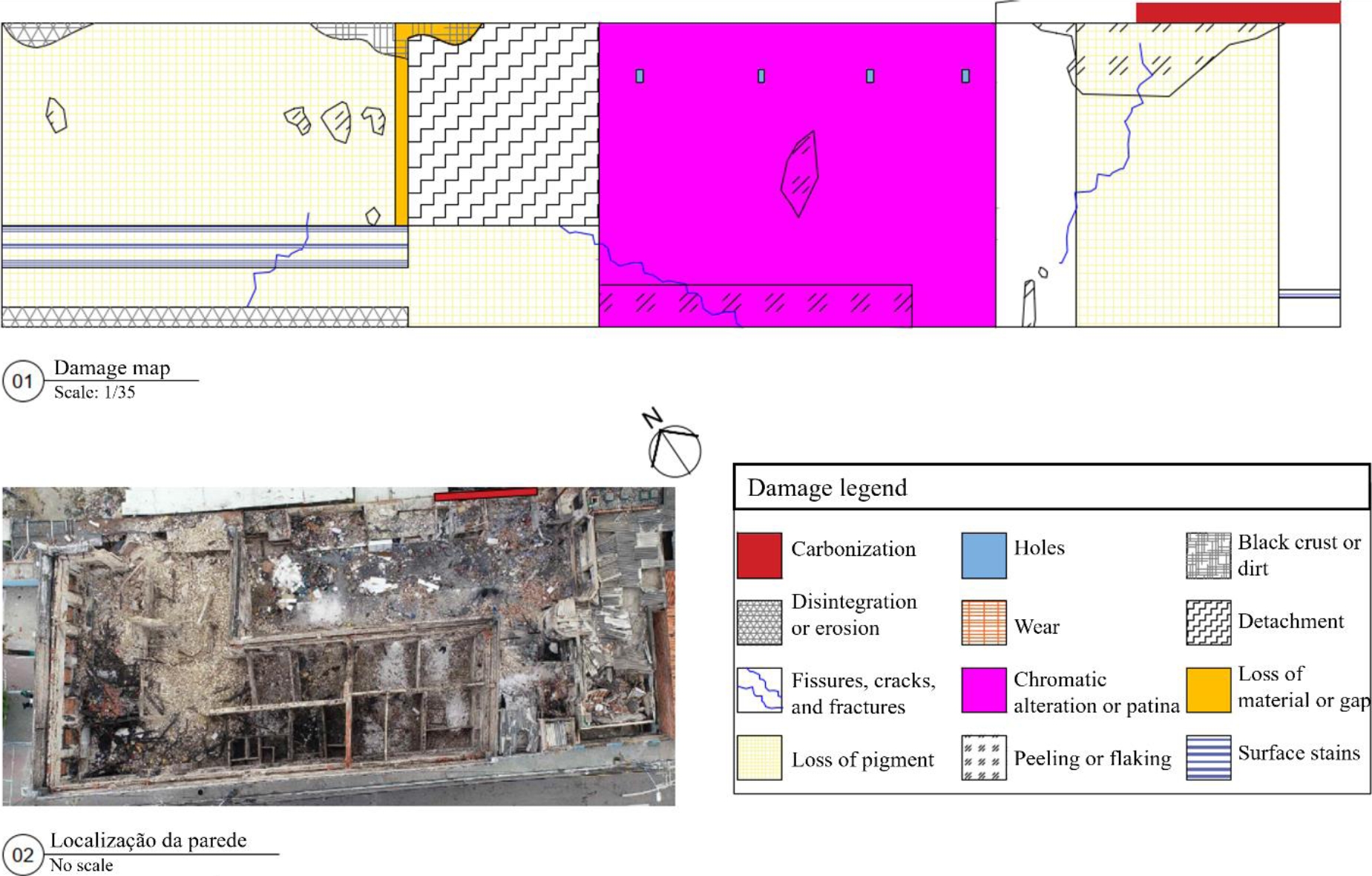
Figure 3. Damage map of the Casarão internal walls
Each pathological manifestation exhibits specific characteristics that can be linked to different causes. Accurate identification of these manifestations and their causes is crucial for developing effective maintenance and repair strategies, ensuring the durability and safety of structures (Bezerra, 2024). The main manifestations identified are typical of historic buildings in inadequate conservation conditions: plaster degradation, black crust, cracking, capillarity, carbonization, fissures, wear, and infiltration. Conversely, carbonization can be directly related to fire. When exposed to fire, wood undergoes a process called pyrolysis, during which the organic components of the wood decompose, forming by-products such as carbon. This carbon is deposited on the wood's surface as a black layer known as carbonization, also referred to as carbonaceous material (XU et al., 2015), which has insulating properties and can retard the spread of fire in wood.
3.3 Diagnosis of the pathological manifestations of the facades
Similar to the internal walls, pathological manifestations were identified on both façades of the Casarão, some of which are illustrated in Figure 4. Coloration changes on the surface were observed, which may be associated with exposure to weathering, altering the chemical composition (Occhipinti et al., 2021). Such pathological manifestations are frequently caused by exposure to atmospheric agents (e.g., sun and rain), pollution, the presence of fungi, algae, or other microorganisms, and chemical reactions between building materials and the environment. It is worth noting that the Casarão is located near the city’s waterfront, where the high atmospheric aggression, particularly regarding chloride ion concentration, was confirmed by Cabral and Campos (2016). It is known that construction elements exposed to marine environments deteriorate more rapidly due to the highly aggressive environment, as the chloride ions in the saline mist are a significant cause of pathological manifestations due to their aggressiveness towards the cementitious matrix and reinforcement. Therefore, it is suggested that the diverse pathological manifestations in the Casarão result not only from the fire and neglect of conservation but also from local atmospheric aggression.
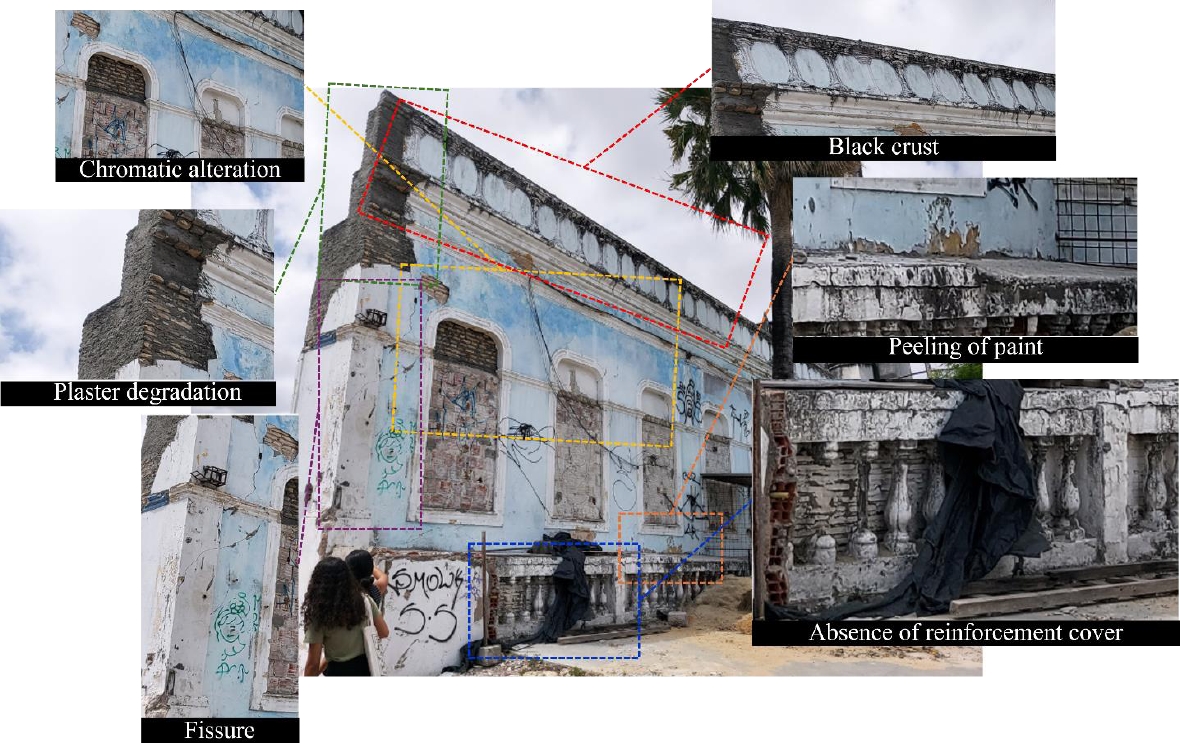
Figure 4. Pathological manifestations identified on the Casarão facades
Thermography of the Casarão shows areas of high temperatures (Figure 5A), indicating possible issues with thermal insulation or points of infiltration or moisture. Additionally, areas of plaster degradation were noted, exposing the white bricks of the structure, as well as several fissures, vandalism, and black crust on the upper part of the façade. Infiltration has damaged the plaster on the lower part of the façade (Figure 5B), making the area more fragile and potentially damaging the structure, with vandalism and color alteration present. Moreover, there is material loss and black crust, along with numerous fissures (Figure 5C), necessitating structural reinforcement before restoration work begins. The red and yellow colors attest to the heterogeneity of the façades, causing problems with thermal insulation or moisture. Figure 5D shows the presence of black crust, material loss, fissures, color alteration, vandalism, and structural reinforcement.
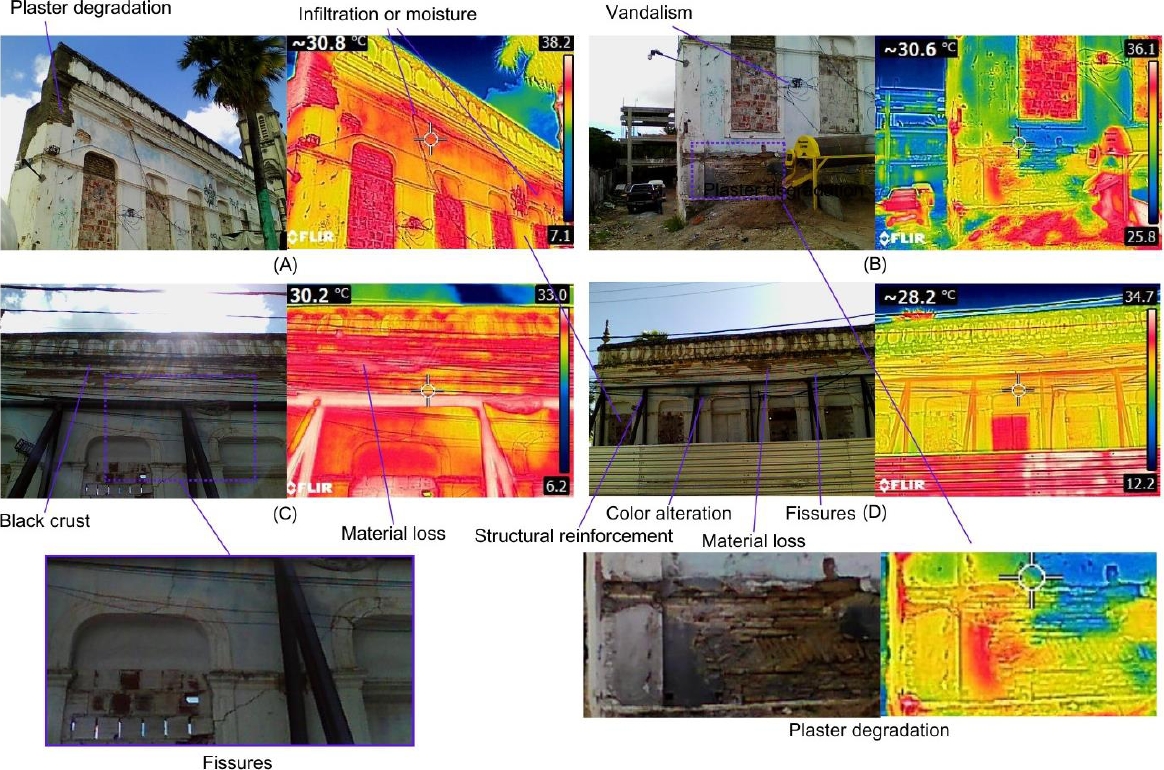
Figure 5. Thermographic images of specific regions of the two facades
According to Valero, Sasso, and Vicioso (2019), thermographic inspection allows for the observation of temperature differences in materials. These variations can indicate potential anomalies, such as moisture presence, providing important information for the restoration and conservation of monuments. Furthermore, these defects must be addressed to avoid irreversible damage to historic buildings. For thermal images, the iron color palette mode was used, with reference colors: blue for the coldest temperature range and yellow for the warmest temperature range. Thus, the coldest point can be identified in each image.
Similarly, factors influencing the study of infrared thermography during a thermal behavior inspection of a building’s roof include: climatic conditions (solar exposure, wind, ambient temperature, relative humidity, and greenhouse gas concentration), material properties (emissivity/reflectivity, color), the surface finish of the building or material (roughness or irregularity, stains and color of materials or surfaces, thickness), the building’s orientation relative to the sun's path during inspection, the angle of view and inspection distance, and the presence of nearby heat-producing elements (Plesu, Teodoriu, Taranu, 2012).
The development of the damage map for each façade enabled precise indication of the location of each identified pathological manifestation (Figure 6), highlighting various types of pathologies on both façades. The most recurrent pathologies in the building, as indicated on the damage map, include color alterations, stains, or patinas, which are particularly frequent around windows and cornices, on both Facade A and Facade B. Paint peeling is extensive and appears in several parts of the façades. In many areas, the structural reinforcement of the architectural elements is exposed, indicating the absence of reinforcement covering, which is noticeable on both façades. Plaster degradation is widely visible in various areas, signaling significant wear. Small cracks, known as fissures, and larger cracks, referred to as fractures, are distributed along the façades. Infiltration issues are common in various areas, especially on the lower part of the building. Additionally, dirt accumulation or dark crust formation is observed in several sections. These pathologies indicate widespread degradation of the building, requiring conservation and restoration interventions in multiple areas to preserve the structural and aesthetic integrity of the building.
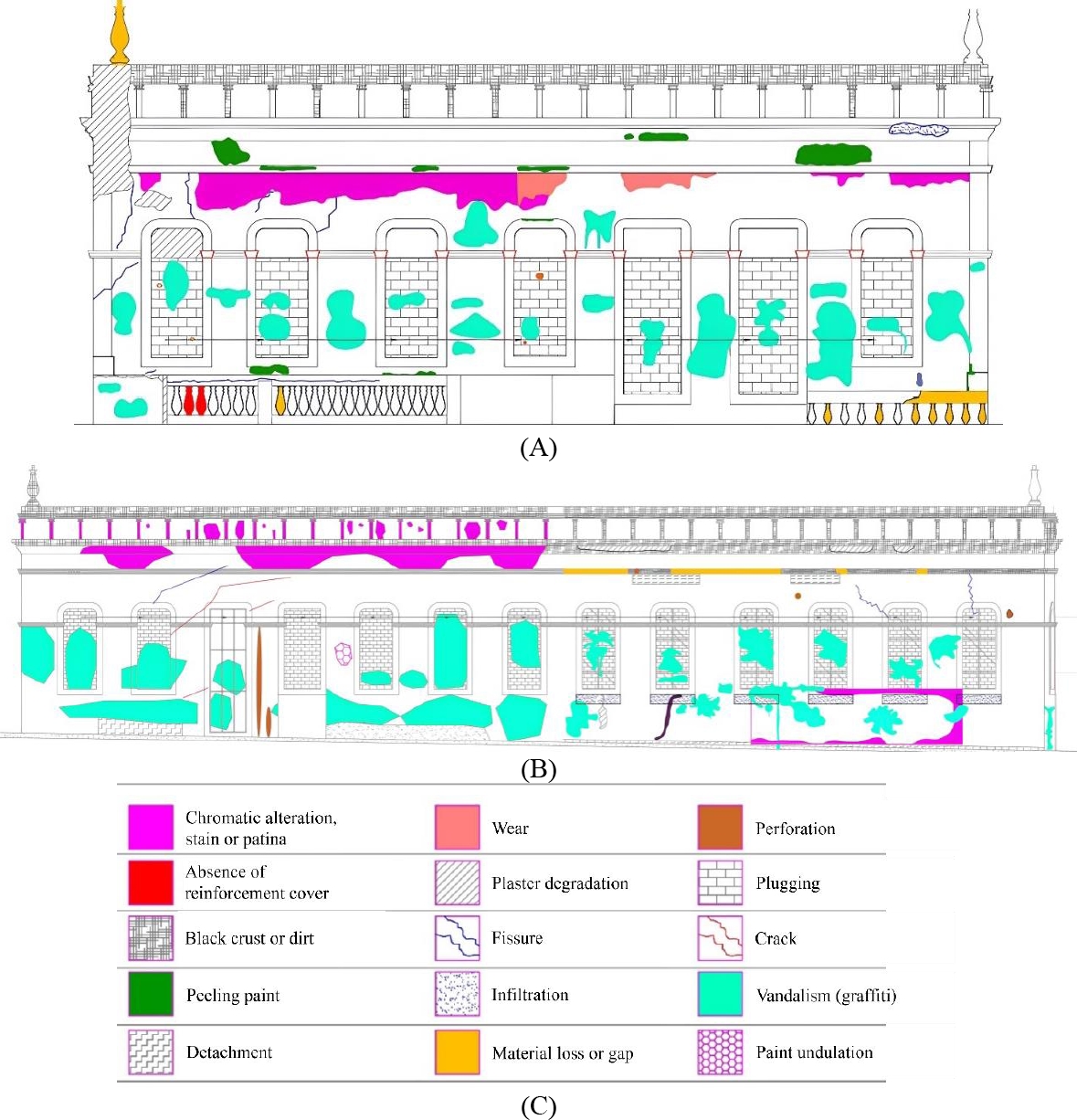
Figure 6. Damage map of the Casarão: (A) facade A, (B) facade B and (C) legend with symbols representing the pathological manifestations identified in the building
These pathologies demonstrate widespread degradation of the building, requiring conservation and restoration interventions in several areas to preserve the structural integrity and aesthetics of the building. During the site visit, the presence of structural reinforcement was observed on Facade B, due to the numerous fissures already present and exacerbated by the restoration work, likely due to earth movement and vibrations.
The GUT Matrix was used for an initial diagnosis of the pathological manifestations for developing a prioritization order regarding the solution of the damage found in these structures. It proved to be a very useful tool for building maintenance management to assess and prioritize the identified pathologies (Braga et al., 2019). Table 1 presents the identified pathologies, their respective severity, urgency, and trend values, as well as the product of these values (G×U×T), which determines the intervention priority.
| Pathological manifestation | Gravity | Urgency | Tendency | G×U×T | Priority |
| Chromatic alteration | 1 | 1 | 1 | 1 | 7° |
| Absence of reinforcement cover | 2 | 1 | 2 | 4 | 6° |
| Black crust | 1 | 1 | 1 | 1 | 7° |
| Peeling of paint | 1 | 1 | 1 | 1 | 7° |
| Detachment | 2 | 2 | 2 | 8 | 5° |
| Wear | 1 | 1 | 1 | 1 | 7° |
| Plaster degradation | 3 | 3 | 4 | 36 | 3° |
| Fissure | 5 | 5 | 5 | 125 | 1° |
| Crack | 4 | 4 | 4 | 64 | 2° |
| Infiltration | 2 | 3 | 3 | 18 | 4° |
| Material loss or gap | 1 | 1 | 4 | 4 | 6° |
| Perforation | 1 | 1 | 1 | 1 | 7° |
| Vandalism (graffiti) | 1 | 1 | 1 | 1 | 7° |
| Paint undulation | 1 | 1 | 1 | 1 | 7° |
The degradation of plaster, fissures, cracks, and infiltrations have high classifications of severity, urgency, and tendency, indicating the need for immediate attention to prevent further damage to the heritage site. These pathologies are particularly critical as they can compromise the structural integrity of the building. The absence of reinforcement cover, detachment, and material loss or gaps present a combination of values suggesting a moderate need for intervention. While not immediately critical, these issues can lead to more severe consequences if left unaddressed. Therefore, the GUT Matrix analysis indicates that the initial focus should be on the pathologies with the highest scores, particularly fissures, cracks, and plaster degradation, due to their potential to cause significant damage. Subsequently, medium-priority pathologies should be addressed to prevent their escalation. Finally, low-priority pathologies can be dealt with as resources allow. Table 2 outlines the potential causes, as well as the mitigation and remediation strategies, for the primary pathological manifestations identified in the construction elements of the Casarão evaluated in this study.
Table 2. Causes and remediation strategies for pathological manifestations in the building
| Pathological manifestation | Potential causes | Remediation strategy |
| Chromatic alteration | Surfaces chromatic alteration can be linked to exposure to weathering, which alters their chemical composition (Occhipinti et al., 2021). This type of pathological manifestation is often caused by exposure to atmospheric agents, pollution, the presence of biological agents, and chemical reactions between construction materials and the environment. | Total or partial replacement of pieces, anastylosis (reconstruction by assembling original elements) of broken pieces, cleaning and mechanical polishing (Molla et al., 2018). |
| Absence of reinforcement cover | It may be caused by errors in execution (such as insufficient coverage during construction), degradation of the concrete due to aggressive agents, concrete carbonation, or reinforcement corrosion leading to concrete delamination (Palm et al., 2020). Furthermore, the explosive nature of fire-induced spalling causes the disintegration of concrete layers or pieces, leading to a reduction in cross-sectional area and the loss of cover for steel reinforcement, thereby exposing it to the environment (Manzoor, Bhat, Shah, 2024) | Removal of the damaged concrete, treat the reinforcement to halt corrosion, and apply a suitable repair mortar or concrete (Sánchez, Alonso, 2011) |
| Black crust | It originates from physicochemical transformations resulting from the sulfation of limestone (Vazques et al., 2016). These transformations occur due to atmospheric pollution or fires (Fitzner, Heinrichs, La Bouchardiere, 2002). | Wash the area thoroughly with water and appropriate chemical agents, followed by brushing. In more severe cases, it may be necessary to sand the surface, remove loose particles, and reapply the paint coating (Costa, Silva, 2022). |
| Peeling of paint | It may be due to poor surface preparation before painting, the use of low-quality paints, exposure to excessive moisture, thermal variations, or incompatibility between paint layers. | Completely remove any loose or poorly adhered sections from the surface using scraping or brushing. Then, clean the entire surface to eliminate any dust residues. Apply a coat of wall primer. Finally, apply the finishing paint according to the manufacturer's instructions (Lima et al., 2022). |
| Detachment | It can occur due to failures in adhesion between the coating and the substrate, structural movement, moisture penetration, or the use of inadequate or defective materials. | Removal of damaged material around the detachment, proper surface preparation and replacement of mortar or concrete. |
| Wear | Mainly caused by mechanical abrasion (traffic of people or vehicles), the action of the elements (rain, wind), or prolonged use without adequate maintenance (Charola, 2000). | For materials like stone or brick that have worn down, use compatible patching compounds or fillers. For plaster or stucco, apply a matching repair mortar that mimics the original texture and appearance. |
| Plaster degradation | The effects of water, biological agents, mechanical actions, human activities, and the presence of salts in the mortar (Pavlik et al., 2023). | Remove all degraded coating, wash with clean water to remove all loose residues, and then repair the area with new plaster. According to Pavlík et al. (2023), the correct choice of binder is essential for the performance of repair mortars, but it must always be considered in conjunction with compatibility criteria. The use of cement in restoration practices has been criticized by conservation experts and is no longer recommended. |
| Fissure | The causes of cracking in concrete structures include not only the tensile loads on the members but also many other factors, such as the plastic shrinkage of the materials during hardening and the temperature gradients resulting from the cement hydration (Zhang et al., 2024). | Traditional crack repair applies chemical healing agents, like epoxy resin, methyl methacrylate, etc. They are applied to the surface of the cracks by spraying and smearing (Zhang et al., 2024). |
| Crack | Absorption and loss of water causing expansion and contraction of hygroscopic materials. Furthermore, cracks are easy to generate when the thermal stress is higher than the tensile strength of concrete (Li et al., 2024). | The process may involve opening the cracks with spatulas, applying a crack sealant, which is a rubbery silicone material, followed by the application of a strong filler and a finishing compound. For larger cracks, it is necessary to open them by 10 to 15 cm, insert a mesh to work in conjunction with the crack, and then proceed with sealing the crack (Ferreira, 2020). |
| Infiltration | The cause of infiltration is primarily attributed to failures in the waterproofing system (Rocha et al., 2018), but it can also result from leakage from pipes or roof damage. | The most common interventions involve removing the damaged mortar to apply waterproofing products or polymeric mortars, depending on the material used in the construction of the walls (Righi, 2009). |
| Material loss or gap | Running water or abrasive particles gradually eroding the material. Oxidation and subsequent deterioration of metallic materials, leading to mass loss and cavity formation, reaction of construction materials with aggressive atmospheric chemicals or biological activity. | Use compatible repair mortars or fillers to fill gaps or lost material. For masonry, select a mortar mix that matches the original in composition and color. For larger areas of material loss, apply a patching compound or replacement material that blends with the existing facade. |
| Perforation | Biological attack, vandalism, corrosion, construction errors, or unfinished work. | For small perforations, apply a repair mortar or filler that matches the original material. Ensure proper adhesion and smooth the surface. For larger perforations, reconstruct the affected area using matching materials and techniques. Reinforce if necessary. |
| Vandalism (graffiti) | Intentional acts of vandalism by individuals or groups using paints or other materials for graffiti. These acts are motivated by various reasons, including artistic expression, protest, rebellion, or simple vandalism. | After cleaning, assess whether the surface needs repair or restoration. If necessary, apply a matching repair material or touch up with compatible paint. |
| Paint undulation | Chemical reactions between new paint and the existing layer, particularly if incompatible products are used. | Sand down undulated areas to create a smooth surface. Apply a primer if needed, and then repaint with compatible paint. Ensure proper application to avoid future undulation. |
It is important to recognize that when applying the specific repair methods for each type of pathological manifestation outlined in Table 2, these methods must be tailored to the specific conditions and the type of material used in the original construction. The selection of appropriate repair techniques and materials is critical to ensuring that the repairs are both effective and sustainable.
4. CONCLUSIONS
Monitoring the conditions of historic buildings is essential for understanding their state of conservation, identifying the causes of degradation, and ultimately suggesting intervention actions when necessary. This study aimed to document the pathological manifestations of a significant building for the preservation of Ceará's history: the Casarão dos Fabricantes. The study provides an exploratory and qualitative record of the construction elements that were not destroyed by the fire, specifically the internal walls and two facades.
The investigation took place 44 months after a fire that destroyed much of the structure, at the beginning of the restoration work. Infrared thermal imaging revealed significant changes in thermogram patterns, indicating modifications in the behavior of the construction components. This method allowed for the more efficient identification of damaged regions compared to conventional images. The damages identified on the facades include chromatic changes, peeling paint, exposed reinforcement, plaster degradation, fissures, cracks, infiltrations, and black crust. Additionally, the study identified construction elements composed of different materials. In areas with plaster degradation, higher temperatures were observed due to increased heat conduction, resulting from the lower thermal capacity of the degraded materials.
These results are supported by the damage map, which showed widespread degradation, emphasizing the problems. The GUT matrix data classified the identified pathological manifestations according to their severity and priority, aiding in the understanding of the ongoing restoration project. It was concluded that the highest priority should be the repair of cracks.
The evaluation of the inspected facades allowed for the identification of the areas most affected by pathological manifestations, facilitating future comparative studies focused on the restoration process. Studies like this help determine whether the degradation processes of buildings are accelerating or stagnating. However, in this research, the Casarão is already undergoing restoration. Although it does not permit monitoring the evolution of pathological manifestations over the years, this study lays the groundwork for future investigations. Therefore, it is suggested that future research should relate the data documented in this work with the corrective measures adopted during the restoration of the Casarão.
5. ACKNOWLEDGEMENTS
We would like to thank Fujita Engenharia for collaborating on this study by providing the infrared thermography camera for data collection. We also extend our gratitude to the restoration project collaborators for kindly allowing access to the building.
6. REFERENCES
Almeida, G. (2022), Incêndio no Casarão dos Fabricantes: o fogo que consumiu sonhos e uma parte da história de Fortaleza. O Povo, Fortaleza, 17 September. Available at: https://www.opovo.com.br/noticias/ceara/2020/09/17/incendio-no-casarao-dos-fabricantes--o-fogo-que-consumiu-sonhos-e-uma-parte-da-historia-de-fortaleza.html. Accessed at: 04 April 2024.
Amer, O., Aita, D., Bompa, D. V., Mohamed, E. k., Hussein, Y. M., Torky, A., Mansour, M. M. A. (2024), Conservation-oriented integrated approach for structural stability assessment of complex historic masonry structures, Journal of Engineering Research, ISSN 2307-1877, https://doi.org/10.1016/j.jer.2024.03.002.
Bezerra, M. H. C. M. (2024), “Avaliação de manifestações patológicas em fachadas de edificação histórica por ensaio não-destrutivo: Casarão dos Fabricantes”. Thesis, Christus University Center.
Braga, I. C., Brandão, F. S., Ribeiro, F. R. C., Diógenes, A. G. (2019), “Application of GUT Matrix in theassessment of pathological manifestations in heritage constructions”, Revista ALCONPAT, 9(3), pp.320-335, DOI: http://dx.doi.org/10.21041/ra.v9i3.400
Brasil. Ministério da Cultura (2005), Manual de elaboração de projetos de preservação do patrimônio cultural. Elaboração Gomide, J. H., Silva, P. R. da, Braga, S. M. N. Brasilia: Ministério da Cultura, Instituto do Programa Monumenta.
Cabral, A. E. B., Campos, A. M. da R. (2016), Estudo da agressividade do ar em Fortaleza/CE. Available at: http://www.pec.ufc.br/images/Edital/16-11-Cartilha-Agressividade-do-Ar-Small-Spreads.pdf. Accessed at: 13 March 2024.
Charola, A.E. (2000) Salts in the Deterioration of Porous Materials: An Overview. Journal of the American Institute for Conservation, 39: 327-343. https://doi.org/10.1179/019713600806113176.
Costa, L. da S., Silva, W. A. da. (2022), Manifestações patológicas em fachadas de construções históricas: estudo de caso da Igreja de Nossa Senhora do Carmo em São Luís - MA. Research, Society and Development. 11(2): e24011225819. http://dx.doi.org/10.33448/rsd-v11i2.25819.
Custódio, G. (2023), Prédio histórico Casarão dos Fabricantes começa a ser restaurado, Diário do Nordeste, Fortaleza. Available at: https://diariodonordeste.verdesmares.com.br/ceara/predio-historico-casarao-dos-fabricantes-comeca-a-ser-restaurado-veja-projeto-e-como-ira-funcionar-1.3400921. Accessed at: 13 March 2024.
Diário do Nordeste (2020), Casarão dos Fabricantes amanhece com estrutura interna destruída após incêndio. Available at: https://diariodonordeste.verdesmares.com.br/metro/casarao-dos-fabricantes-amanhece-com-estrutura-interna-destruida-apos-incendio-1.2985611. Accessed at:13 March 2024.
Fais, S., Casula, G., Cuccuru, F., Ligas, P., Bianchi, M. G. (2018), An innovative methodology for the non-destructive diagnosis of architectural elements of ancient historical buildings. Scientific Reports. 8 (4334). https://doi.org/10.1038/s41598-018-22601-5
Ferreira, G. H. (2020), “Fissuras em edificações de concreto armado: revisão e estudo de caso”, Monografia e, Engenharia Civil, Universidade Federal de Ouro Preto, Ouro Preto.
Fitzner, B., Heinrichs, K., La Bourchardiere, D. (2002). “Damage index for stone monuments. 5th International Symposium on the Conservation of Monuments in the Mediterranean Basin” in: Galan, E., Zezza, F. (Eds.), Protection and Conservation of the Cultural Heritage of the Mediterranean Cities, Proceedings of the 5th International Symposium on the Conservation of Monuments in the Mediterranean Basin, Sevilla (SPA), pp. 315-326.
G1 CE (2020), Feirantes do Casarão dos Fabricantes procuram por mercadorias que resistiram a incêndio, em Fortaleza. Available at: https://g1.globo.com/ce/ceara/noticia/2020/09/06/feirantes-do-casarao-dos-fabricantes-procuram-por-mercadorias-que-resistiram-a-incendio-em-fortaleza.ghtml. Accessed at:20 July 2024.
Gomes, M. G., Tomé, A. (2023), A digital and non-destructive integrated methodology for heritage modelling and deterioration mapping. The case study of the Moorish Castle in Sintra. Developments in the Built Environment. 14: 100145. https://doi.org/10.1016/j.dibe.2023.100145
Klüppel, G. P. (2009), “A casa e o clima: (trans)formações da arquitetura habitacional no Brasil (Século XVII - Século XIX)”. Trabalho de Conclusão de Curso, Universidade Federal da Bahia.
Li, Y. et al. (2024). Effect of fly ash content on the performance of hardened cement-based materials suffered from high temperatures. Case Studies in Construction Materials. 20: e03217. https://doi.org/10.1016/j.cscm.2024.e03217.
Li, Y., Zhou, Q., Guo, J., Huang, Z., Zhan, D., Zhou, W., Liang, Y., Wang, B. (2024), Assessing fire resilience of historic districts: An approach combining space structure and tourists’ behavior, International Journal of Disaster Risk Reduction, Volume 100, 104191, ISSN 2212-4209, https://doi.org/10.1016/j.ijdrr.2023.104191.
Lima, F. F. de S., Monteiro, E. C. B., Silva, A. J. da C., Vasconcelos Filho, A. G. F. de, Lemos, A. R., Tenório, A. F. B., Rêgo, C. M. do, Borba, L. F. F., Barreto, L. M. (2022), Pathological manifestations in façades of historic buildings - damage map: case study of the church Santuário Nossa Senhora de Fátima. Research, Society and Development, 11(11), e124111133394. https://doi.org/10.33448/rsd-v11i11.33394
Mollá, L. D. et al. (2018), Systematic alteration survey and stone provenance for restoring heritage buildings: Punta Begoña Galleries (Basque-Country, Spain). Engineering Geology. 247: 12-26. https://doi.org/10.1016/j.enggeo.2018.10.009.
Manzoor, T., Bhat, J. A., Shah, A. H. (2024), Performance of geopolymer concrete at elevated temperature − A critical review. Materials. 420: 135578. https://doi.org/10.1016/j.conbuildmat.2024.135578.
Moropoulou, A., Labropoulos, K. C., Delegou, E. T., Karoglou, M., Bakolas, A. (2013), Non-destructive techniques as a tool for the protection of built cultural heritage. Construction and Building Materials. 48: 1222-1239. https://doi.org/10.1016/j.conbuildmat.2013.03.044.
Occhipinti, R., Stroscio, A., Belfiore, C. M., Barone, G., Mazzoleni, P. (2021), Chemical and colorimetric analysis for the characterization of degradation forms and surface colour modification of building stone materials, Construction and Building Materials, Volume 302, 124356, ISSN 0950-0618, https://doi.org/10.1016/j.conbuildmat.2021.124356.
Palm, V. et al. (2020), Influência da distribuição de espaçadores no cobrimento e na vida útil de lajes maciças. Ambiente Construído. 20 (3): 671-686. https://doi.org/10.1590/s1678-86212020000300452 .
Pavlík, Z. et al. (2023), Lightweight pumice mortars for repair of historic buildings -Assessment of physical parameters, engineering properties and durability. Materials. 404: 133275. https://doi.org/10.1016/j.conbuildmat.2023.133275.
Periard, G. (2011), Matriz GUT: Guia Completo. Available at: http://www.sobreadministracao.com/matriz-gut-guia-completo/. Accessed at:16 April 2024.
Prefeitura de Fortaleza (2022), Secretaria Municipal de Urbanismo e Meio Ambiente. Coordenadoria de Desenvolvimento Urbano. Relatório de apresentação da pauta: análise de orientação prévia para projeto especial.
Righi, G. V. (2009), “Estudo dos sistemas de impermeabilização: patologias, prevenções e correções - análise de casos”. Dissertação de Mestrado em Engenharia Civil, Universidade Federal de Santa Maria, Santa Maria.
Rocha, J. H. A. et al. (2018), Detecção de infiltração em áreas internas de edificações com termografia infravermelha: estudo de caso. Ambiente Construído. 18(4): 329-340. https://doi.org/10.1590/s1678-86212018000400308.
Rodrigues, N. M., Lama, E. A. del. (2013), “Ensaios não destrutivos em monumentos pétreos paulistanos” in: Congresso Brasileiro de Geologia de Engenharia e Ambiental, ABGE, Fortaleza (Brasil). Available at: https://repositorio.usp.br/directbitstream/346c9d02-f9c3-4cfc-9d82-16f6fec5c71d/2886786.pdf. Accessed at:30 March 2024.
Ruiz-Jaramillo, J., Muñoz-González, C., Joyanes-Díaz, M. D., Jiménez-Morales, E., López-Osorio, J. M., Barrios-Pérez, R., Rosa-Jiménez, C. (2020), Heritage risk index: A multi-criteria decision-making tool to prioritize municipal historic preservation projects, Frontiers of Architectural Research, Volume 9, Issue 2, Pages 403-418, ISSN 2095-2635, https://doi.org/10.1016/j.foar.2019.10.003.
Sánchez, M., Alonso, M. C. (2011), Electrochemical chloride removal in reinforced concrete structures: Improvement of effectiveness by simultaneous migration of calcium nitrite. Construction and Building Materials. 25 (2): 873-878. https://doi.org/10.1016/j.conbuildmat.2010.06.099.
Teledyne FLIR LLC (2024). “Câmera de infravermelho Série Pro”. Available at: https://www.flir.com.br/. Accessed at:30 March 2024.
Valero, L. R., Sasso, F. V., Vicioso, E. P. (2019), In situ assessment of superficial moisture condition in façades of historic building using non-destructive techniques. Case Studies in Construction Materials. 10. https://doi.org/10.1016/j.cscm.2019.e00228.
Vazquez, P. et al. (2016), Influence of surface finish and composition on the deterioration of building stones exposed to acid atmospheres. Construction and Building Materials. 106: 392-403. https://doi.org/10.1016/j.conbuildmat.2015.12.125.
Zein, R. V., Marco, A. D. (2007), “A rosa por outro nome tão doce...seria?” in: Anais do 7 seminário DO.CO.MO.MO Brasil. Porto Alegre, 2007. Available at: http://www.docomomo.org.br/seminario%207%20pdfs/049.pdf
Zhang, Y. S. et al. (2024), Application of microbially induced calcium carbonate precipitation (MICP) technique in concrete crack repair: A review. Construction and Building Materials. 411: 134313. https://doi.org/10.1016/j.conbuildmat.2023.134313